
Key takeaways
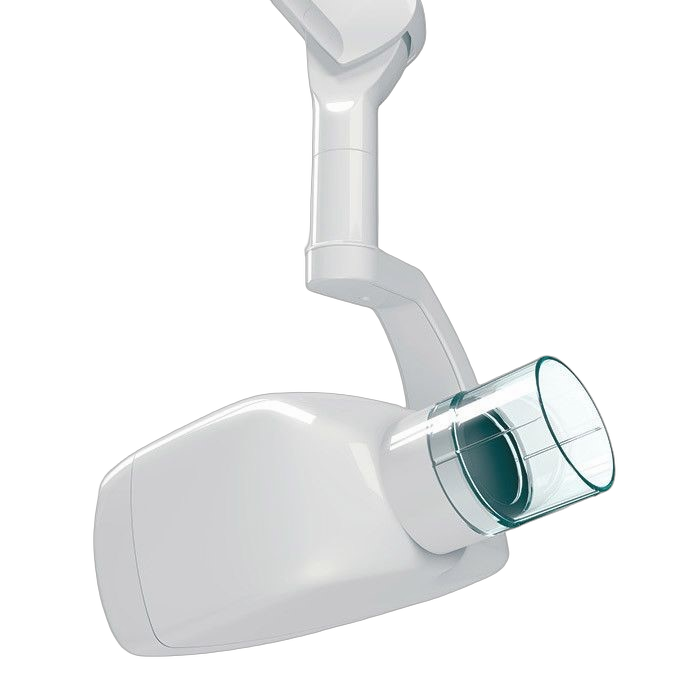
- Purchase price (2026): Wall-mounted intraoral X-ray units cost $5,000-$12,000; portable/handheld models cost $8,000-$18,000 in Australia.
- Digital sensor cost: CMOS sensors cost $3,000-$8,000 per sensor; phosphor plate (PSP) systems cost $4,000-$10,000 for the scanner plus $50-$150 per plate.
- 5-year TCO: A wall-mounted unit at $8,000 with a CMOS sensor at $5,000 costs $16,000-$22,000 over five years including sensor replacement, calibration and ARPANSA compliance.
- Biggest ongoing cost: Sensor replacement at $3,000-$8,000 every 4-7 years - CMOS sensors degrade with use and accidental damage is common in busy practices.
- Break-even vs film: A digital intraoral system pays for itself within 12-18 months through eliminated processing chemicals, faster workflow and reduced retakes.
- If your practice takes 20+ intraoral images per day - a CMOS sensor delivers instant chairside images and saves 3-5 minutes per exposure compared to phosphor plates.
- ARPANSA compliance: All dental X-ray equipment must be registered with your state radiation authority. Annual compliance testing costs $200-$500 per unit.
Intraoral x-ray unit prices in Australia: What dental practices actually pay in 2026
An intraoral X-ray unit is the most-used imaging device in any dental practice - the average general practice takes 15-40 intraoral images per day across periapical, bitewing and occlusal exposures. The X-ray generator itself is the smaller cost. The sensor or imaging system, ongoing calibration, ARPANSA compliance fees and eventual sensor replacement make up the majority of the five-year spend. With digital sensors now standard across Australian practices, the cost comparison has shifted from film vs digital to CMOS vs phosphor plate - and the right choice depends on daily image volume and workflow preference.
This guide breaks down the full cost of ownership for intraoral X-ray units in Australia: purchase tiers, sensor economics, maintenance cycles and depreciation. For configuration and supplier evaluation, get quotes for intraoral X-ray units from verified Australian suppliers on MedicalSearch. For practices also budgeting panoramic imaging, the OPG X-ray machine buying guide covers the complementary capital decision.
Practices where intraoral X-ray cost modelling matters most:
- New dental practices budgeting imaging equipment for their first fitout
- Established practices replacing ageing film or first-generation digital systems
- Multi-surgery practices standardising sensors across 3-6 operatories
- Mobile and rural dental services evaluating portable vs wall-mounted units
- Group practices and DSOs negotiating fleet pricing across multiple locations
Confirm your configuration before costing
Before modelling costs, confirm which X-ray generator and imaging system match your practice layout and daily volume. Your choice here determines purchase price, sensor economics and workflow speed.
Type | Key Spec | Best For |
|---|---|---|
Wall-mounted (DC) |
60-70 kVp, 4-8 mA, extendable arm |
Fixed operatories in established practices - lowest per-image cost at high volume |
Portable/handheld |
60-70 kVp, 2-3 mA, battery-operated |
Mobile clinics, multi-room practices, aged care visits and rural outreach |
CMOS digital sensor |
Size 1 and Size 2, USB wired |
High-volume practices (20+ images/day) - instant image, no scanning step |
Phosphor plate (PSP) |
Reusable plates + scanner unit |
Practices prioritising patient comfort (thinner than CMOS) or running lower volume |
If your practice takes 20+ intraoral images per day, a wall-mounted generator with CMOS sensor is the lowest per-image cost option. For mobile or multi-room practices, a handheld unit at $8,000-$18,000 eliminates arm positioning constraints and allows imaging in any room or off-site location.
Evaluate the key running cost specifications
With your configuration confirmed, these are the specs that drive your ongoing cost - not just your upfront spend.
Specification | Typical Range | Cost Impact |
|---|---|---|
CMOS sensor lifespan |
4-7 years / 50,000-100,000 exposures |
Replacement at $3,000-$8,000 is the largest single recurring cost - handle with care |
PSP plate lifespan |
500-1,000 exposures per plate |
Plates cost $50-$150 each and need regular replacement - but the scanner unit lasts 8-12 years |
Exposure time |
0.01-0.5 seconds (DC units) |
Shorter exposure reduces radiation dose and motion blur - DC generators outperform older AC units |
Annual calibration |
$200-$500/year |
Required for ARPANSA compliance - includes output verification, timer accuracy and tube head inspection |
Software licensing |
$0-$1,500/year |
Some imaging software is included; others charge annual licence fees for updates and cloud storage |
Understand the full cost breakdown (2026 prices)
Purchase price is only part of the picture - most cost models that get rejected at approval stage have missed the sensor replacement and compliance layers. Here is the full breakdown.
Category | Price Range (AUD) | Typical Configuration |
|---|---|---|
Wall-mounted X-ray generator (new) |
$5,000-$12,000 |
DC high-frequency, extendable arm, timer presets, 60-70 kVp |
Portable/handheld unit (new) |
$8,000-$18,000 |
Battery-operated, lightweight, backscatter shielding, carry case |
CMOS digital sensor |
$3,000-$8,000 |
Size 1 or Size 2, USB wired, instant image display |
PSP system (scanner + plates) |
$4,000-$10,000 |
Desktop scanner unit plus 10-20 reusable plates |
Used/refurbished generator |
$2,500-$6,000 |
Inspect tube head hours, arm condition, timer accuracy and ARPANSA compliance status |
Annual ARPANSA compliance |
$200-$500 |
Output testing, timer verification, tube head inspection - required annually in most states |
CMOS sensor replacement |
$3,000-$8,000 |
Every 4-7 years depending on volume and handling care |
Annual maintenance |
$300-$800 |
Arm lubrication, tube head service, software updates, infection control barrier consumables |
The most common mistake is budgeting for the X-ray generator without factoring in the sensor. A wall-mounted unit at $8,000 with a CMOS sensor at $5,000 costs $13,000 upfront - then $3,000-$5,500 over 5 years in compliance, maintenance and barriers. If the sensor needs early replacement due to cable damage or a drop, add another $3,000-$8,000. For wall-mounted units at $5,000-$12,000, get quotes for intraoral X-ray units from verified Australian suppliers.
Plan the asset (depreciation and financing)
The ATO effective life for dental X-ray equipment is 10 years. Under diminishing value, the depreciation rate is 20%; prime cost is 10% per annum. A wall-mounted generator plus sensor package under $20,000 qualifies for the instant asset write-off for eligible small businesses.
For new practices managing cash flow across multiple equipment purchases, leasing an intraoral X-ray system at $80-$200/week preserves capital for higher-priority fitout costs. Sensors depreciate faster than generators due to wear - factor sensor replacement at year 4-5 into your capital planning rather than treating it as an unexpected expense.
Evaluate suppliers
You are ready to go to market. Use this checklist to assess each supplier against the same criteria.
Factor | What to Ask |
|---|---|
TGA registration |
Is this device listed on the ARTG? Provide the registration number. |
Sensor warranty |
What warranty covers the sensor? Is accidental damage covered or excluded? |
Sensor replacement cost |
What does a replacement sensor cost? Is there a loyalty or trade-in discount? |
Software compatibility |
Does the imaging software integrate with my practice management system? |
ARPANSA compliance support |
Do you provide annual compliance testing or can you recommend a licensed tester? |
Installation |
Is installation, arm mounting and software setup included in the quoted price? |
Training |
Is onsite training for clinical and admin staff included? |
Service network |
Do you have service technicians in my state? What is the typical response time? |
Lead time |
Is this model ex-stock in Australia or imported to order? |
Finance |
Do you offer lease, hire-to-own or equipment finance? |
Frequently asked questions
What is the total first-year cost of a new intraoral x-ray system?
A wall-mounted generator ($8,000) plus CMOS sensor ($5,000) plus installation ($500-$1,500) plus first-year compliance ($200-$500) totals $13,700-$15,000. Portable/handheld systems cost $11,000-$26,000 for the equivalent setup.
When does digital intraoral x-ray pay for itself vs film?
At 20+ images/day, digital eliminates $3,000-$6,000/year in film, processing chemicals and darkroom time. Most practices see full payback on the digital investment within 12-18 months through reduced consumables and faster workflow.
What ARPANSA compliance is required for intraoral x-ray in Australia?
All dental X-ray equipment must be registered with your state or territory radiation authority (e.g. EPA in NSW, DHHS in VIC). Annual compliance testing of output, timer accuracy and shielding is required in most jurisdictions at $200-$500 per unit.
Should i buy CMOS sensors or phosphor plates?
CMOS sensors deliver instant images with no scanning step - ideal for high-volume practices taking 20+ images/day. Phosphor plates are thinner (more comfortable for patients) and cheaper per-unit, but require a separate scanning step that adds 30-60 seconds per image.
Can i claim an intraoral x-ray unit under the instant asset write-off?
For 2025-26, the ATO instant asset write-off threshold is $20,000 for eligible small businesses. Most wall-mounted generator plus sensor packages fall within this. Higher-end portable units or multi-sensor packages above $20,000 depreciate over the 10-year effective life.
What matters most
- The sensor is the largest ongoing cost - budget $3,000-$8,000 for replacement every 4-7 years
- Wall-mounted DC generators at $5,000-$12,000 deliver the lowest per-image cost in fixed operatories
- CMOS sensors suit high-volume practices (20+ images/day); phosphor plates suit lower volume or comfort-priority workflows
- ARPANSA compliance testing at $200-$500/year is mandatory in most Australian states
- Digital intraoral X-ray pays for itself within 12-18 months vs film through eliminated consumables and faster workflow
- Most generator-plus-sensor packages qualify for the $20,000 instant asset write-off
Most practices shortlist 2-3 systems after requesting initial quotes.
Don't waste time contacting suppliers individually. MedicalSearch gives you direct access to verified Australian dental imaging suppliers - where medical buyers request and compare multiple quotes so they can buy with confidence.
- Get quotes for intraoral X-ray units - contact multiple verified suppliers with a single enquiry
- Compare models - filter by generator type, sensor compatibility and region
- Contact suppliers directly - speak to specialists who service your state
→ Get and compare intraoral X-ray unit quotes now → https://www.medicalsearch.com.au/buy/intraoral-x-ray-unit