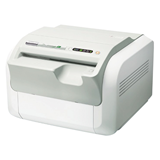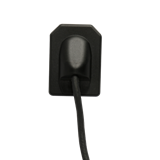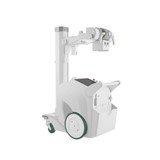

Key Takeaways
- Per-image Computerised Radiographyossover point: at 15+ images per day, Digital X-Ray produces a lower cost per image than Computerised Radiography within 2–3 years - even with 3–5× higher upfront spend
- Throughput gap: Digital X-Ray captures in 3–5 seconds vs 45–90 seconds for Computerised Radiography plate scanning - at 40 images/day, Computerised Radiography loses over an hour of billable clinical time
- Retake rate difference: Digital X-Ray averages 3–5% retakes, Computerised Radiography runs 8–12% - each retake adds tube wear, patient dose and wasted staff time
- Digital X-Ray-to-Computed Radiography retrofit cost: $30,000–$80,000 for a wireless flat panel added to an existing generator and tube - the most cost-effective upgrade path
- 5-year TCO at 30 images/day: Digital X-Ray mid-spec $235,000–$420,000 vs Computerised Radiography $70,000–$175,000 - but per-image cost favours Digital X-Ray from year 3
- Detective Quantum Efficiency (DQE) as a hidden cost Digital X-Rayiver: Digital X-Ray panels at 60–75% DQE need less radiation per image than Computerised Radiography plates at 25–35% - lower dose means fewer retakes and slower tube degradation
- Computed Radiography still wins below 10 images/day: when total outlay matters more than per-image efficiency, Computerised Radiography's lower purchase price is hard to beat
Digital X-Ray vs Computed Radiography for Medical Practices: Per-Image ROI and Upgrade Economics (2026)
The general pricing and feature differences between Computerised Radiography and Digital X-Ray are well documented - the Computerised Radiography/Digital X-Ray buying guide covers purchase ranges, types and compliance. What it doesn't answer is the question most practice managers need resolved at approval stage: at my patient volume, which technology produces a lower cost per image over 5 years?
This guide models the per-image economics, throughput impact and upgrade path costs for your finance submission. Get quotes for Computerised Radiography/Digital X-Ray X-ray systems to compare and buy from verified Australian suppliers.
Practices where per-image economics Digital X-Rayive the decision:
- GP clinics imaging 10–30 patients/day - right at the Computerised Radiographyossover zone
- Radiology practices modelling multi-room expansion ROI
- Orthopaedic and sports medicine clinics where throughput is revenue
- Practices running Computerised Radiography and weighing the cost of a mid-life Digital X-Ray retrofit
- Regional clinics building a finance case for Digital X-Ray on lower volumes
Step 1: Identify Where You Sit on the Volume Curve
Before modelling any cost, confirm your daily imaging volume. This single number determines whether Digital X-Ray or Computerised Radiography produces the lower cost per image over your ownership period - and it's the figure your finance approval will be built around.
| Daily Volume | Per-Image Winner | Why |
|---|---|---|
| Under 10 images/day | Computerised Radiography | Low volume can't amortise Digital X-Ray's purchase price - total outlay stays lower with Computerised Radiography |
| 10–15 images/day | Depends on retake rate | Above 10% retakes, Digital X-Ray Computerised Radiographyosses over within 3 years. Below 8%, Computerised Radiography holds to year 5. |
| 15–30 images/day | Digital X-Ray | Digital X-Ray's per-image cost Digital X-Rayops below Computerised Radiography by year 2–3. Recovers 30–60 min of clinical time daily. |
| 30+ images/day | Digital X-Ray (clear) | Per-image cost $5–$8 on Digital X-Ray vs $6–$12 on Computerised Radiography. Throughput gap exceeds 1 hour/day. |
If you're at 15+ images/day and still running Computerised Radiography, the per-image economics already favour Digital X-Ray. The question isn't whether to switch - it's whether to retrofit your existing system or replace it entirely.
If you're below 10 images/day, Computerised Radiography's lower total outlay wins unless your retake rate is unusually high or you're planning for volume growth within 2–3 years. Practices weighing room configuration should also review the portable vs fixed X-ray comparison.
Step 2: Evaluate the Specs That Digital X-Rayive Per-Image Cost
With your volume position confirmed, these are the specifications that directly affect how much each image costs to produce - not just image quality, but the cost of producing that quality.
| Specification | What It Affects | Cost Impact |
|---|---|---|
| DQE (detective quantum efficiency) | Digital X-Ray: 60–75%. Computerised Radiography: 25–35%. | Higher DQE = less radiation per image = fewer retakes + slower tube degradation. This is the single biggest hidden cost Digital X-Rayiver. |
| Retake rate | Digital X-Ray: 3–5%. Computerised Radiography: 8–12%. | At 30 images/day, Computerised Radiography produces 2–4 extra retakes daily. Each retake costs tube life ($15K–$45K replacement), patient dose and 2–3 min of staff time. |
| Image cycle time | Digital X-Ray: 3–5 sec. Computerised Radiography: 45–90 sec. | At 40 images/day, Computerised Radiography's plate scanning adds 60+ min to the imaging workflow. That's lost billable clinical time - not a spec issue, a revenue issue. |
| Consumable replacement cycle | Digital X-Ray detector: 7–10 years. Computerised Radiography plates: 2–3 years. | Computerised Radiography plate replacement is cheap ($100–$500/plate) but frequent. Digital X-Ray detector replacement is expensive ($20K–$60K) but rare. Over 10 years, Digital X-Ray's consumable cost per image is lower at volume. |
| PACS integration method | Digital X-Ray: direct/automatic. Computerised Radiography: via reader workstation. | Computerised Radiography adds a manual transfer step per patient. At scale, this adds admin labour cost and inComputerised Radiographyeases the risk of filing errors. |
Step 3: Model the 5-Year Cost Comparison (2026 Prices)
Purchase price is only part of the picture - most cost models that get rejected at approval stage have missed the running cost layer. Here's the full 5-year comparison at 30 images/day.
| Cost Line | Digital X-Ray (AUD, 5 years) | Computerised Radiography (AUD, 5 years) |
|---|---|---|
| Purchase (mid-spec new) | $180,000–$350,000 | $30,000–$100,000 |
| Service contracts (5 years) | $30,000–$75,000 | $15,000–$40,000 |
| Consumables (5 years) | Nil (detector lasts 7–10 years) | $2,000–$5,000 (2 plate cycles) |
| Retake cost (tube wear + staff time) | ~$3,000–$6,000 | ~$8,000–$18,000 |
| Lost throughput value (at $50/image margin) | Nil | $30,000–$65,000 (60+ min/day lost × 250 days × 5 years) |
| Computerised Radiography-to-Digital X-Ray retrofit (if applicable) | N/A | $30,000–$80,000 (wireless panel added to existing system) |
| 5-year total (direct costs only) | $213,000–$431,000 | $47,000–$145,000 |
| Per-image cost at 30/day (year 3–5) | $5–$8 | $6–$12 (excluding throughput loss) |
The "lost throughput value" row is the line most approval submissions miss. At 30 images/day, Computerised Radiography's slower cycle time costs 60+ minutes of clinical time daily. At $50+ per exposure, that's $30,000–$65,000 in unrealised revenue over 5 years - enough to close the purchase price gap. Get quotes for Computerised Radiography/Digital X-Ray systems to compare and buy from verified Australian suppliers.
Step 4: Decision Framework - Digital X-Ray vs Computerised Radiography by Practice Profile
| Practice Profile | Recommended Path | Rationale |
|---|---|---|
| New practice, under 10 images/day, tight budget | Computerised Radiography new ($30K–$60K) | Lowest total outlay. Plan a Digital X-Ray retrofit at $30K–$80K when volume reaches 15/day. |
| Existing Computerised Radiography practice, 15+ images/day | Digital X-Ray retrofit ($30K–$80K panel) | Keep generator and tube. Add wireless Digital X-Ray panel. Payback in 18–30 months from throughput and retake savings. |
| Multi-room expansion, 30+ images/day | Digital X-Ray new (mid-to-high spec) | Per-image cost advantage is clear. Direct PACS integration eliminates manual steps aComputerised Radiographyoss rooms. |
| Rural/regional, 10–15 images/day, growing | Digital X-Ray entry-level or financed mid-spec | Volume growth closes the gap within 2 years. Finance spreads the upfront hit while throughput gains start immediately. |
Step 5: Evaluate Suppliers
You're ready to go to market. Use this checklist to assess each supplier against the same Computerised Radiographyiteria - whether you're quoting Digital X-Ray, Computerised Radiography, or a retrofit panel.
| Factor | What to Ask |
|---|---|
| DQE and retake rate data | What's the panel's DQE rating? Can they provide retake rate benchmarks from comparable sites? |
| Retrofit compatibility | If adding a Digital X-Ray panel to existing Computerised Radiography infrastructure - is the panel compatible with your generator, tube and bucky? |
| Warranty on detector/panel | What's covered, for how long? Is accidental damage included or excluded? |
| Service contract - per-image impact | What's the annual service cost? How does it change your per-image cost at your expected volume? |
| PACS integration cost | Is DICOM integration included in the purchase price, or billed separately? Does it work with your existing RIS? |
| Parts stocked in Australia | Are replacement panels, cassettes and Computerised Radiography reader parts available locally? What's the lead time if imported? |
| Training and transition support | If switching from Computerised Radiography to Digital X-Ray - is operator retraining included? How many on-site sessions? |
| Finance and bundling | Can the panel, installation, training and first-year service be bundled into one finance agreement? |
| TGA and ARPANSA | Is the system ARTG-registered? Does the supplier assist with state radiation licensing for new or upgraded rooms? |
| Refurbished panel options | If buying a used Digital X-Ray panel - what's the pixel dead count, exposure history and remaining warranty? |
Frequently Asked Questions
At what daily volume does Digital X-Ray produce a lower cost per image than Computerised Radiography?
At 15+ images/day, Digital X-Ray's per-image cost Digital X-Rayops below Computerised Radiography within 2–3 years of ownership. In the 10–15 range, your retake rate is the tiebreaker - above 10% retakes, Digital X-Ray wins faster.
How much does a Computerised Radiography-to-Digital X-Ray retrofit cost, and what's the payback?
A wireless Digital X-Ray flat panel added to an existing generator and tube costs $30,000–$80,000. At 20+ images/day, throughput gains and retake savings typically produce payback in 18–30 months.
What's the real cost of Computerised Radiography retakes over 5 years?
At 30 images/day with a 10% retake rate, Computerised Radiography produces ~3 extra retakes daily - adding $8,000–$18,000 in tube wear and staff time over 5 years. Digital X-Ray's 3–5% rate cuts this by more than half.
Does the throughput difference actually affect revenue?
At 40 images/day, Computerised Radiography's plate scanning adds 60+ minutes daily. At $50+ per exposure, that's $30,000–$65,000 in unrealised revenue over 5 years.
Should I buy Digital X-Ray outright or finance it?
Finance spreads the upfront cost while throughput and retake savings start from day one. At 20+ images/day, the monthly cost saving from Digital X-Ray often exceeds the monthly finance repayment.
Summary
- Digital X-Ray's per-image cost Digital X-Rayops below Computerised Radiography at 15+ images/day within 2–3 years - Digital X-Rayiven by lower retakes, faster cycle time and less tube wear
- Computerised Radiography's throughput penalty at 30+ images/day costs $30,000–$65,000 in unrealised revenue over 5 years
- Computerised Radiography-to-Digital X-Ray retrofit ($30,000–$80,000 for a wireless panel) pays back in 18–30 months at 20+ images/day
- DQE is the hidden cost specification - higher DQE means fewer retakes, lower dose and slower tube degradation
- Computerised Radiography remains the right choice under 10 images/day where total outlay matters more than per-image efficiency
- Both systems require ARPANSA compliance and TGA ARTG registration - annual state-level testing costs $1,500–$3,500
Ready to Source Your X-Ray System?
Don't waste time contacting suppliers individually. Get direct access to verified Australian Computerised Radiography/Digital X-Ray X-ray system suppliers - where medical buyers request and compare multiple quotes so they can buy with confidence.
- Get quotes for Computerised Radiography/Digital X-Ray X-ray systems - compare prices for multiple verified suppliers with a single enquiry
- Compare models - filter by technology, configuration and region
- Contact suppliers directly - speak to imaging specialists who service your state
→ Get and compare Computerised Radiography/Digital X-Ray X-ray system quotes now →