
How to use this page
How this page helps you choose the right ultrasound machine
Choosing the right ultrasound machine comes down to a handful of decisions. Here we walk you through the ones that matter most to help you make a choice that meets your needs and your budget, without any expensive surprises after delivery. When you're ready, use our popular Get Quotes option to connect with verified Australian suppliers so you can compare quotes and buy with confidence.
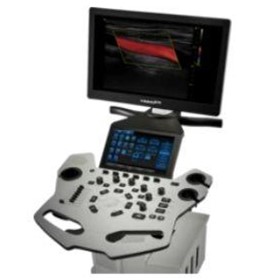
Common setups
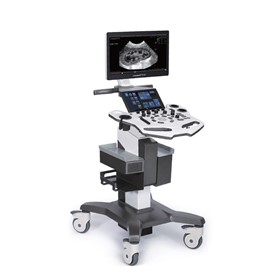
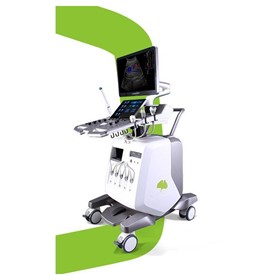
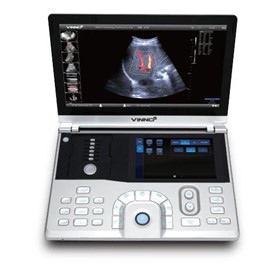
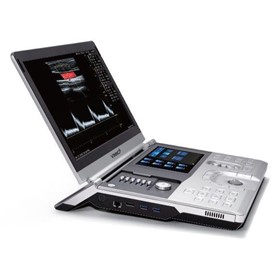
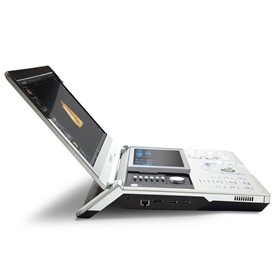
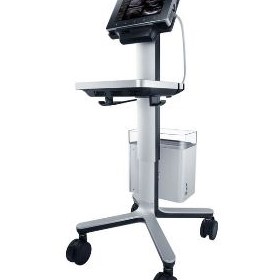
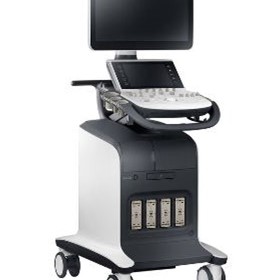
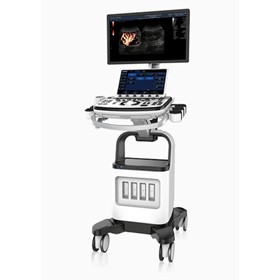
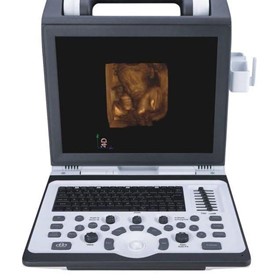
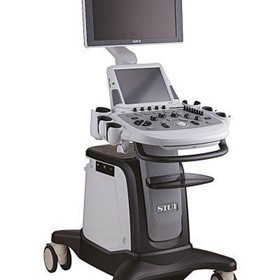
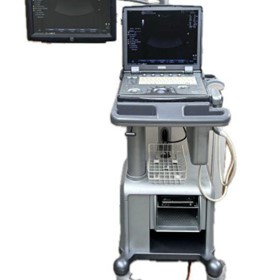
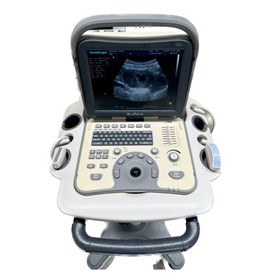
Three common ultrasound machine setups
Cost breakdown
What an ultrasound machine costs, by system type
An ultrasound machine, also searched as an ultrasound system, sonography machine, or ultrasound scanner, runs from about $1,500 for a handheld wireless probe to $150,000 or more for a premium cart-based system. Many clinic and specialist buyers compare systems in the $15,000 to $90,000 range. Form factor sets the band, and image-quality tier, probes, and imaging modes set where you land within it.
| System type | Typical price AUD, usually before GST | What changes the price |
|---|---|---|
| Handheld and point of care | $1,500 - $30,000 | Probe count, paired screen or device, image-processing tier |
| Portable and compact | $15,000 - $90,000 | Probe count, Doppler options, overall image quality |
| Cart based and premium | $80,000 - $150,000+ | Advanced Doppler, 3D and 4D, elastography, probe count |
What you scan
Matching ultrasound probes and imaging modes to your clinical work
What you scan sets the probes and imaging modes you need, and each probe is priced separately. Get this right and the machine covers your work; get it wrong and you pay for modes you never use, or find a key application out of reach.
| Clinical application | Probe you need | Who buys it |
|---|---|---|
| Abdominal and obstetric | Curved (convex) probe for deeper, wider views. | General practice, women's health, and general imaging |
| Vascular, MSK, and small parts | Linear probe for shallow, high-resolution images. | Physiotherapy, sports medicine, vascular, and thyroid or breast work |
| Cardiac | Phased array probe to image between the ribs for an echocardiogram. | Cardiology and emergency or critical care |
| Gynaecology and early pregnancy | Endocavity (transvaginal) probe for internal views. | Women's health, fertility, and obstetrics |
TGA and ARTG
Confirming your ultrasound machine is legal to supply in Australia
An ultrasound machine is a regulated medical device. Unless exempt, it has to be included on the Australian Register of Therapeutic Goods (ARTG) before it can be legally supplied here, which rules out some grey-import and private-sale machines and tells you which suppliers can stand behind the device. Check the listing with the Therapeutic Goods Administration before you commit.
| What to confirm | Why it matters |
|---|---|
| Current ARTG entry | The device must be on the ARTG to be supplied. Ask for the ARTG number and check it against the model you are buying |
| Australian sponsor | An ARTG entry needs an Australian-based sponsor who carries the supply and post-market duties. A local sponsor is who you deal with for recalls and safety notices |
| Refurbished and imported units | A cheaper machine bought direct from overseas or privately can fall outside a valid ARTG entry, which leaves you holding the compliance risk |
New or used
Used ultrasound machine or new: which is the better buy
Ultrasound machines hold their value, so a deep refurbished and used market sits alongside new. The right call comes down to warranty, software currency, probe condition, and how exactly the spec has to match your applications.
Ownership costs
The ongoing costs of owning an ultrasound machine
The purchase price is the start. Probes, service, software upgrades, and consumables all feed into what the machine costs across its life.
| Cost area | What to expect | What changes the cost |
|---|---|---|
| Probes | Often one of the largest ownership costs. Probes wear, and a dropped probe is a major bill that tends to arrive all at once. | Number of probes, handling, application type |
| Service and support | Many buyers take a service contract for scheduled checks, calibration, and faster fault response. | System tier, contract level, in-warranty status |
| Software and upgrades | Feature and security updates, plus paid options you may add as your work grows. | Platform age, support status, modes added |
| Consumables | Gel, probe covers, printer paper, and cleaning supplies across daily use. | Scan volume and infection-control needs |
| Parts and support network | Downtime is the hidden cost. A supplier with parts, loan units, and local service keeps the machine working. | Supplier network, distance to nearest service agent |
Before you quote
Five decisions to make before requesting ultrasound machine quotes
Get these requirements clear upfront and suppliers can provide accurate ultrasound machine quotes the first time, rather than making assumptions.
| 1 | Clinical applications: every application you scan now and the ones you plan to add. This sets the probes and imaging modes. |
| 2 | Form factor and setting: handheld, portable, or cart based, where it is used, and how many rooms or clinicians share it. |
| 3 | Probes and modes: which transducers you need, plus colour and spectral Doppler, 3D and 4D, elastography, or needle guidance. |
| 4 | New, refurbished, or budget basis: new or used, whether you compare on purchase price or monthly finance, and confirm a current ARTG entry. |
| 5 | Workflow and connectivity: whether it must send to your imaging system (PACS), link to your patient records, and your delivery location. |
Finance options
How to finance your ultrasound machine
An ultrasound machine is a large upfront cost, and the probes and imaging options add to it. Many buyers weigh equipment finance alongside the quote comparison, so the questions below help you work out where finance fits before you commit.
| Finance question | What it helps you decide | Why it matters |
|---|---|---|
| What could the monthly repayment be? | Whether the machine fits your cash flow before you commit to a quote. | A regular repayment is easier to weigh against the throughput the ultrasound machine delivers than the upfront cost alone. |
| Am I likely to get approved? | Whether your business, trading history, and the machine's value make the purchase financeable. | MedicalSearch finance works across a panel of lenders, which can improve the chance of finding a suitable approval pathway. |
| Which finance structure suits the purchase? | Whether to compare chattel mortgage, lease, rental, or low-deposit finance. | The right structure can affect ownership, cash flow, and how repayments line up with your income through the year. |
MedicalSearch finance
Estimate my repayment
Adjust the sliders to estimate your ultrasound machine repayments. Speak with our team for an exact quote based on your profile.
Estimate only, not an offer of finance. Figures are indicative and your rate and repayments depend on your circumstances and lender.
Need finance before choosing an ultrasound machine?
Check indicative ultrasound machine finance options in under a minute, with no obligation.
Common questions
Common ultrasound machine questions buyers ask before quoting
Quick answers to the most-searched questions about ultrasound machines and how MedicalSearch works.
Why use MedicalSearch to buy an ultrasound machine?
MedicalSearch helps you compare multiple reputable Australian suppliers with a single enquiry, saving you time and effort. Instead of contacting suppliers individually, you can compare suitable devices, technology, compliance requirements, service support, and ongoing consumables in one place. This helps you find the right ultrasound machine for your treatments while avoiding costly mistakes and making a more informed purchasing decision.
How much does an ultrasound machine cost?
It depends on the form factor. A handheld or point-of-care unit runs from about $1,500 to $30,000. A portable or compact system, the common clinic class, sits around $15,000 to $90,000. A cart-based premium system runs from $80,000 to $150,000 or more. The probes you include and the imaging modes change the price within each band.
What is the difference between cart, portable, and handheld ultrasound?
Cart-based systems are full consoles for imaging departments and specialists, with the most probes, ports, and advanced modes. Portable systems are laptop-style or compact consoles for clinic rooms, covering two or three applications with colour Doppler. Handheld units are a wireless probe or pocket device for bedside and point-of-care looks at a single application. Match the form factor to where you scan and how many applications you cover.
Which ultrasound probes do I need?
The probe follows the application. A curved (convex) probe suits abdominal and obstetric work. A linear probe suits vascular, musculoskeletal, and small-parts imaging. A phased array probe suits cardiac scans. An endocavity probe suits gynaecology and early pregnancy. Tell suppliers every application you cover so they include the right probes, since each one is priced as its own line item.
Does an ultrasound machine need to be TGA registered?
Yes. An ultrasound machine is a medical device, so unless it is exempt it must be included on the Australian Register of Therapeutic Goods (ARTG) before it can be legally supplied in Australia, under the Therapeutic Goods Administration. Ask each supplier for the ARTG number for the exact model and configuration, and be cautious with grey-import or private-sale machines that may fall outside a valid entry. See the Therapeutic Goods Administration.
Is a refurbished ultrasound machine worth it?
Often, yes. A dealer-refurbished machine with a warranty and tested probes gives much of a new system for less, and it usually beats a private or auction sale. Check the software version and whether it still gets support, inspect each probe for wear and drop damage, and confirm the machine has a current ARTG entry. A refurbished unit from a supplier who services it locally is the safer buy.
Is it worth buying a used ultrasound machine?
It can be, and warranty and transducer condition matter more than age. A dealer-refurbished machine with a documented service history is a strong middle ground between a new system and a private sale. Before you buy, check each probe for wear, ask for the service records and the software support status, and confirm the remaining warranty and a current ARTG entry.
How long do ultrasound probes last and what do they cost to replace?
Probes are often one of the largest ownership costs after the purchase. With careful handling they last for years, but a drop or cable damage can end one early, and a replacement is a major bill that arrives all at once. The cost varies widely by probe type, so ask suppliers about probe warranty, handling guidance, and whether loan probes are available during a repair.
Will the machine connect to my imaging system and patient records?
Most diagnostic systems can send images to a picture archiving system (PACS) and link to patient records, but the level of integration varies by machine and by your existing software. Tell suppliers what you run now so they confirm the connectivity and any setup work in the quote, rather than after delivery.
How long does equipment finance pre-approval take?
Many equipment finance applications get an initial response within a few business days once you provide basic practice and financial details, though timing varies by lender. Pre-approval lets you compare quotes knowing your repayment and borrowing capacity, without committing to a purchase.
What documents do I need to apply for equipment finance?
For most equipment finance under a set threshold, lenders ask for limited paperwork: your business ABN and trading history, recent bank statements, and details of the machine being financed. Larger amounts can need business financials or tax returns. MedicalSearch finance works across a panel of lenders, so the exact requirements vary by amount and lender.
Why MedicalSearch
Why buyers choose MedicalSearch for an ultrasound machine
Helping Australian healthcare buyers compare medical equipment suppliers since 2011.