

Key takeaways: Chiropractor fitouts in Australia (2026)
For chiropractors planning a new clinic or major refurbishment in 2026, these are the most important considerations to ensure your fitout is compliant, patient-focused, and financially sustainable:
- Cost benchmarks: A typical chiropractic fitout in Australia costs $1,500–$2,300 per square metre for a functional, professional clinic. Premium wellness-style clinics with bespoke joinery, feature lighting, and enhanced acoustics often exceed $3,000 per sqm.
- X-ray investment: A modern digital radiography (DR) system generally costs $70,000–$120,000, excluding construction. Radiation-shielded room build costs typically add $15,000–$30,000, depending on wall construction and shielding requirements.
- Compliance is non-negotiable: On-site X-ray installation triggers state-based radiation regulations and formal shielding reports. Treatment rooms may also require Body Protected Electrical Areas under AS/NZS 3003, depending on the equipment used.
- Financing advantages: Chiropractors are viewed as low-risk borrowers. Many lenders offer 90–100% funding for fitouts and equipment, with interest rates commonly ranging from 5.75% to 7.50%, subject to credit profile and market conditions.
- Smart space planning: Open-plan adjustment areas reduce build costs and improve throughput, but at least one fully enclosed consult room is essential for initial examinations and report-of-findings (ROF) discussions.
- Building classification matters: Most chiropractic clinics fall under NCC Class 5 (Office). However, certain layouts, fire loads, or procedural elements may trigger Class 9a (Health Care) provisions, significantly increasing compliance and construction costs.
The ultimate buying guide to chiropractor fitouts in Australia
The modern chiropractic clinic has evolved well beyond the traditional clinical layout. By 2026, the most successful practices combine wellness-driven design with robust clinical functionality. Whether you practise Gonstead, Diversified, SOT, or a blended approach, your fitout must support patient flow, practitioner ergonomics, and long-term operational efficiency.
Unlike a standard office fitout, chiropractic clinics face unique challenges. These include managing heavy point loads from drop tables, providing acoustic privacy for sensitive consultations, and, in some cases, integrating regulated radiation infrastructure. A well-planned fitout reduces friction, enhances patient trust, and protects your capital investment.
This guide walks you through layout planning, equipment costs, compliance obligations, maintenance realities, and financing strategies specific to Australian chiropractic clinics.
Fitout zones and equipment integration
A successful chiropractic floor plan is built around patient flow, minimising congestion while maximising efficiency and comfort.
1. Adjustment areas: Open plan vs private rooms
Open-plan adjustment areas
- Common in high-volume or wellness-focused practices
- Lower construction costs due to fewer partitions and doors
- Encourages community atmosphere and practitioner visibility
Key considerations
- Acoustic control is critical to reduce noise from drop mechanisms
- Recommended solutions include acoustic ceiling panels, carpet tiles, and sound-absorbing wall finishes
Private adjustment rooms
- Essential for initial consultations, re-exams, and acute presentations
- Provide privacy for sensitive discussions and examinations
Recommended size
- 10–12 sqm per room, allowing safe access around the table and comfortable practitioner movement
2. X-ray room design and construction
The X-ray room is typically the most expensive room per square metre in a chiropractic clinic.
Radiation shielding
- Australian radiation regulations require shielding based on a formal radiation shielding assessment
- Lead equivalence commonly ranges from 1.0mm to 1.3mm, depending on machine output and adjacent occupancy
- Doors, walls, viewing panels, and penetrations must all be shielded correctly
Room sizing
- A practical minimum is 3m x 4m, allowing correct operator distance, patient positioning, and equipment clearance
3. Reception, waiting, and retail integration
Reception is both a clinical and commercial touchpoint.
Retail considerations
- Many clinics retail pillows, orthotics, supplements, and rehab tools
- Built-in joinery with integrated lighting improves presentation and durability
Design tip
- Incorporate retail shelving into the initial joinery scope rather than retrofitting, which often looks inconsistent and costs more long term
Price guide: Chiropractor fitout costs in 2026
Fitout costs vary based on site condition, compliance scope, and finish level.
Fitout level | Typical cost (per sqm) | Description |
| Basic refurbishment | $1,200–$1,800 | Cosmetic upgrades, reuse of existing services |
| Standard clinical | $1,800–$2,500 | New partitions, X-ray room build, custom reception, upgraded services |
| High-end boutique | $2,800–$3,500+ | Architectural finishes, premium joinery, advanced acoustics, full HVAC upgrades |
Equipment costs (excluding fitout)
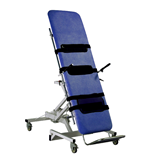
Chiropractic tables
- Portable tables: $600–$1,500
- Stationary drop tables: $5,000–$8,000
- Motorised flexion-distraction tables: $10,000–$20,000+
Digital x-ray systems
- New DR systems: $70,000–$120,000+
- Used systems: $40,000–$60,000, subject to tube age and service history
Operations, maintenance, and durability
Busy clinics often see 40–60 patient adjustments per day, placing significant wear on floors and equipment.
Flooring
- Luxury vinyl planks (LVP): Durable, hygienic, and slip-resistant
- Carpet: Best limited to waiting areas and corridors for noise reduction
Table maintenance
- Upholstery replacement: $400–$800
- Annual drop mechanism servicing: $300–$500
X-ray compliance costs
- Annual radiation audits and licensing typically cost $1,000–$1,500 per year, depending on state requirements
Financing your chiropractic fitout
Chiropractors typically benefit from favourable lending terms.
Fitout finance
- 90–100% funding available through specialist medical lenders
- Often unsecured or supported by director guarantees
Equipment finance
- Chattel mortgages are common for tables and imaging equipment
- Allows immediate asset ownership and GST recovery
Construction drawdowns
- Funds released in stages to builders, reducing cash flow risk
Australian compliance and certification considerations
Radiation compliance
- Shielding calculations must be completed before construction
- Lead lining must overlap and include all penetrations, including power points
Electrical safety (AS/NZS 3003)
- Body Protected Electrical Areas may apply where mains-powered patient-contact equipment is used
- Requires compliant RCDs and certified installation
Building classification and access
- Most clinics operate under NCC Class 5
- Compliance with AS 1428.1 for accessibility is mandatory, including door widths and circulation spaces
Common questions from chiropractic buyers
Can i install a chiropractic table in a standard office room?
Yes, but floor loading and acoustics must be assessed. Drop tables can transmit vibration and noise through lightweight office structures.
Is DR x-ray worth the cost over CR?
Yes. By 2026, CR is largely obsolete. DR offers faster workflow, lower dose, and better patient perception.
Do i need a sink in every room?
No, unless performing invasive procedures. Centralised handwashing facilities and sanitiser stations are typically sufficient.
How much space does a small clinic need?
A functional two-practitioner clinic usually requires 80–120 sqm, depending on layout and services offered.
Conclusion
A chiropractic fitout is a strategic, long-term investment in your practice’s brand, efficiency, and compliance. Clinics that balance smart space planning, regulatory diligence, and patient-centred design are best positioned to thrive in 2026 and beyond. Cutting corners, particularly around X-ray compliance or acoustics, often leads to costly remediation. Done properly, your fitout becomes a competitive advantage, not just a cost centre.