

Key takeaways
- Budget: Expect to spend around $90,000–250,000 for an 80–130 m² physiotherapy clinic fitout that includes build works, partitions, flooring, basic finishes and plumbing/electrical — sufficient for most allied-health practices.
- Equipment costs: Foundational clinic equipment (treatment tables, rehab/strength gear, therapy devices) typically runs $15,000–50,000, depending on how comprehensive you want your setup.
- Total setup: A well-equipped, compliant physio clinic often lands in the range $120,000–200,000+ — combining fitout, equipment, IT, and initial compliance costs.
- Finance flexibility: Many clinics leverage equipment leasing, chattel mortgages or low-doc loans; leasing for high-tech items (e.g., ultrasound machines) is common due to lower upfront cost and flexibility.
- Zoning & layout matter: Proper separation between treatment rooms, rehab/gym zones and admin/reception greatly improves patient flow and comfort — clinics with well-planned zones report up to 30% higher throughput.
Introduction
Starting or upgrading a physiotherapy (or allied-health) clinic in Australia isn’t just about buying plinths and exercise bikes — it’s about building a functional, compliant, inviting space that supports treatment, rehab and patient comfort. From zoning and layout to equipment selection, compliance and financing — each decision impacts your clinic’s viability, patient satisfaction, and long-term sustainability.
This guide offers a thorough walkthrough of what you need to know before investing in a physiology-clinic fitout: typical costs, recommended equipment, maintenance and operations, financing options, compliance considerations, and answers to common questions buyers and practitioners face.
Planning your physiology clinic fitout
Clinic size, layout and zoning
Your starting point should be deciding the size and layout of your clinic. For many physiotherapy clinics (especially solo or small-group practices), spaces of 80–130 m² are common.
Key layout/zoning considerations:
- Separate treatment rooms — for manual therapy, dry needling, assessments, to ensure privacy, comfort and infection-control. A typical physio treatment room should be at least ~ 3 m × 3.5 m for comfort and compliance.
- Active rehab / exercise / gym-style zone — room for treadmills, bikes, balance and strength equipment, floor exercises, space to move freely.
- Reception / waiting area + admin/office zone — for client check-in, records, billing, staff area. Good reception zones contribute to professional feel and patient experience.
- Storage / equipment / consumables area — for therapy gear, cleaning supplies, linens, PPE, mats, resistance bands, etc.
- Compliance zones — accessible toilets / bathrooms, hygiene and cleaning stations, compliance with disability access requirements (ramps, door widths), fire exits / evacuation paths.
Good zoning can improve workflow and throughput significantly — some clinics report up to a 30% increase in capacity when layout enables smooth transition between zones (treatment → rehab → discharge).
Estimated base fitout cost
Based on recent Australian fitout data:
- Medical / allied-health clinic fitouts tend to range around $1,200 – 2,200 per m² depending on finish, complexity, plumbing / electrical needs and compliance requirements.
- For an 80–130 m² physiotherapy clinic, that suggests a base fitout cost in the ballpark of $90,000 – 250,000, before accounting for equipment, IT, licensing or furnishings.
Cost components to budget for: partitioning and walls, flooring (wipeable, medical-grade if needed), lighting, HVAC/ventilation, plumbing (if required), electrical/data cabling, accessibility features, reception joinery, waiting-room fitout, treatment-room finishes, basic cabinetry/storage.
Equipment, machines and furniture
Setting up a physiotherapy clinic requires a mix of basic—and often specialised—equipment. Costs vary depending on scope (basic injury treatment vs. full rehabilitation + conditioning + diagnostic services).
Core equipment & price ranges
Equipment / Item |
Typical AUD cost range |
|
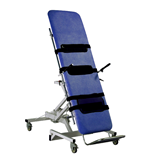
Electric / adjustable treatment tables (plinths) |
~ $1,500 – 5,000 each |
|
Basic rehab / exercise equipment (mats, resistance bands, free weights, medicine balls, wobble boards) |
Included within base equipment kits |
|
Treadmill / stationary bike / upright exercise bike (medical-grade or rehab-quality) |
Treadmill or bike units from ~ $3,000+ |
|
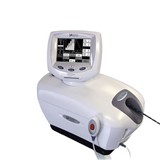
Electrotherapy / ultrasound units / hot-cold therapy packs / TENS / modalities |
Varies; essential setup cost included in equipment budget |
|
Storage cabinets, lockable cupboards, linen/cleaning supply storage |
Modest cost but essential for hygiene and organisation |
|
Reception and waiting-room furniture, admin desks, chairs, computer/station |
Part of furniture/fitout budget |
|
IT infrastructure, practice management software, billing/invoicing, patient records system, telehealth setup (optional) |
IT setup often runs in the thousands depending on complexity |
A well-equipped physio clinic’s equipment budget often falls between $15,000 – 50,000, especially if you include rehab equipment, therapy devices, and basic furniture.
Operational essentials and ongoing maintenance
Beyond fixed equipment, operating a clinic entails recurring needs: cleaning supplies, hygiene materials, consumables (tape, bandages, disinfectants, linens), maintenance of equipment, software updates, utilities, and periodic replacement of worn items.
Financing, leasing and ownership strategies
Because setting up a clinic involves a significant upfront investment, especially if you want good finishes, full equipment and compliance, many physiotherapy clinics in Australia use financing or leasing.
- Equipment leasing — for high-cost items such as ultrasound machines, electrotherapy units or premium gym/rehab equipment. Monthly leasing payments for such machines often range from $300 to 1,200 per month, depending on machine value and lease term.
- Chattel mortgages or business equipment loans — for treatment tables, furniture, joinery and other long-lasting assets. These give you ownership but require a deposit (often 10–20%) and fixed repayments.
- Mixed funding approaches — many clinic owners combine leasing for high-cost items (to preserve cash flow) and outright purchase for base furniture and plinths.
Advantages of financing or leasing: preserves working capital, spreads cost over time, may allow tax deductibility of lease payments or asset depreciation. Drawbacks: higher total cost over time (leasing), interest or finance charges, possible restrictions on modifications for leased equipment.
Compliance, certification and regulatory considerations (Australia)
When fitting out a physiotherapy clinic in Australia, compliance and safety are as important as functionality and comfort.
Regulatory, building and access compliance
- Clinics must comply with local building codes, hygiene standards, and possibly health-related regulations if offering therapies beyond basic physiotherapy.
- Accessibility requirements: comply with disability access standards — wide doorways, accessible toilet, ramps or lifts if needed, accessible waiting and treatment rooms.
- Electrical and data compliance: all therapy/electrical equipment must meet safety standards; any wiring or fixed installations must comply with relevant Australian standards and building codes.
Hygiene, privacy and patient safety
- Treatment rooms should have smooth, wipeable surfaces, easy-to-clean flooring and furniture, and capacity for disinfection.
- Adequate storage for linens, cleaning supplies, PPE, and consumables, plus protocols for sterilisation or cleaning where necessary.
- Privacy and sound control: for manual therapy or consultations, soundproofing or design that ensures confidentiality enhances patient comfort.
Insurance, licensing and professional compliance
- Ensure you have appropriate professional indemnity insurance, public liability insurance, and understand any state-specific registration/licensing requirements for physiotherapists operating a private clinic.
- If you employ multiple practitioners, ensure work-health-safety compliance for staff and patients.
- Data privacy and record-keeping — ensure your patient records software meets Australian privacy laws.
What to check when buying or planning a fitout
- Space / size adequacy — enough room for treatment rooms, rehab zone and rehab equipment; accessibility.
- Zoning and layout potential — can the space be partitioned effectively for privacy, rehabilitation, waiting, admin, storage?
- Flooring and surfaces — wipeable, medical-grade surfaces, easy to clean, hygienic.
- Electrical and data infrastructure — enough power outlets, safe, capacity for therapy devices and computers.
- Ventilation and HVAC — good airflow, comfortable environment.
- Budget for fitout + equipment + compliance — realistic total cost vs. expected patient volume and revenue.
- Furniture and equipment quality & ergonomics — adjustable plinths/tables, quality exercise gear, sturdy rehab equipment.
- Storage and consumables management — adequate storage for consumables, hygiene supplies, linen, client files.
- Compliance with accessibility, hygiene, safety regulations — toilets, access, safe spaces, staff/admin areas, patient privacy and safety features.
- Financing and cash-flow planning — decide upfront vs leased equipment, factor in repayments, maintenance, overheads, staff costs.
Common questions buyers & new clinic owners ask
Q: How much does it cost to open a physiotherapy clinic in Australia?
A: For a small-to-medium clinic with 80–130 m², expect base fitout + equipment + basic compliance setup to run you about $120,000–200,000+.
Q: Should I buy or lease my equipment (e.g., ultrasound, electrotherapy, rehab machines)?
A: Leasing reduces upfront costs and preserves capital — useful when starting out or for items that require regular upgrades. Buying outright avoids ongoing finance costs and gives you full ownership. Many clinics use a mix.
Q: How to ensure compliance and avoid rework or regulatory issues?
A: Engage a designer/builder experienced with allied-health or physio fitouts. Ensure your layout meets accessibility, hygiene, ventilation, electrical, storage and privacy requirements.
Q: Is it feasible to start with bare minimum and expand later?
A: Yes — plan layout, cabling, and flooring so expansion is possible without major rework.
Q: What ongoing costs should I budget for?
A: Consumables, maintenance, utilities, insurance, software/licenses, cleaning, occasional replacement of worn gear, marketing, administration.
Q: Can I get financing, and are there tax advantages?
A: Yes — equipment loans or chattel mortgages spread cost over time and may preserve cash flow. Depreciable assets and interest/lease payments may be tax-deductible; check with your accountant.
Practical roadmap for your physiology clinic fitout
- Define service scope — basic manual therapy, rehab, sports physio, diagnostics.
- Secure premises — check size, layout potential, zoning, accessibility, HVAC, plumbing/electrical.
- Engage designer/builder experienced in allied-health fitouts — ensures compliance, efficiency, patient flow.
- Draft budget — include fitout, equipment, IT, compliance, contingency.
- Decide financing strategy — which items to purchase or lease.
- Order essential equipment first — treatment tables, basic rehab/therapy equipment, storage, reception/waiting fitout.
- Set up compliance & safety protocols — accessibility, hygiene, cleaning, waste management, patient privacy, staff safety.
- Install IT, admin and patient-management systems — scheduling, billing, records, telehealth readiness.
- Soft launch — test patient flow, equipment usage, storage/cleaning operations, refine layout/processes.
- Plan for growth — leave space or flexibility to expand treatment/rehab rooms, equipment, services.
Final thoughts
Fitting out a physiotherapy clinic in Australia is a significant investment — but when planned properly, it becomes the foundation of a professional, compliant, efficient and patient-friendly practice. Combining smart layout, the right equipment, compliance awareness, and realistic budgeting allows you to create a space that supports quality care, long-term growth, and sustainable operations.