

The way a bed space is set up can make the difference between a smooth shift and a series of near misses. Good design supports safer manual handling, fewer falls and better patient experience.
This guide is for NUMs, ward leaders and procurement teams looking to standardise bed space layouts across their wards.
1. Start with the bed and mattress
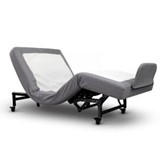
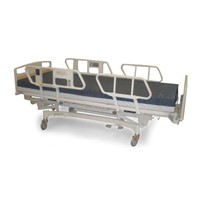
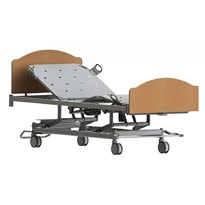
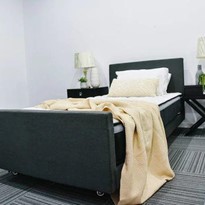
The bed and mattress are the foundation of the space.
- Choose beds with adjustable height to support safe working heights for staff of different heights, and safe transfers for patients.
- Use integrated head and foot boards, side rails and braking systems that are easy to operate.
- Ensure bed controls are intuitive for both patients and staff, with clear labelling.
A consistent bed platform across your ward makes training and manual handling much simpler.
2. Plan safe movement paths
Think about how patients, staff and equipment move around the bed.
- Maintain a clear space on at least one full side of the bed for lifters and staff.
- Allow enough room at the foot and sides of the bed for mobile lifters, shower trolleys and emergency equipment.
- Keep the floor free of cords, stools and bins in the main traffic areas.
- Position oxygen, suction and monitoring so they do not create trip hazards.
A simple floor plan template for each room type helps new staff understand the “standard” layout.
3. Choose seating that supports safe transfers
The right chair can reduce manual handling strain and support early mobilisation.
- Use chairs with appropriate seat height, stable arms and firm cushions to make standing easier.
- Place the chair on the strong side of the patient where possible, in line with therapy goals.
- Allow space beside and in front of the chair for walkers, lifters or staff assistance.
- For longer-stay patients, consider recliner chairs that allow varied positions without complex transfers.
Marking standard chair positions on room plans makes it easier to reset spaces after use.
4. Add accessories that support workflow
Small items can have a big impact on efficiency and safety.
- Overbed tables: ensure they are height adjustable and easy to move without straining.
- Bedside lockers: keep essentials within reach to reduce unassisted stretching or climbing.
- Lighting: use night lights or low-level lighting to support safe toileting at night.
- Call bells: position within easy reach from both bed and chair, and check function on each round.
- Commode or toilet aids: for appropriate patients, keep equipment close but not in the main walkway.
Standardising accessories across rooms simplifies ordering, cleaning and replacement.
5. Design for equipment parking and charging
Unmanaged equipment is one of the fastest ways to clutter a ward.
- Allocate clear parking zones for lifters, wheelchairs and trolleys away from bed spaces.
- Install adequate charging points for beds, lifters and powered devices.
- Use simple signage and floor markings so everyone knows where equipment belongs.
- Build equipment checks into start- and end-of-shift routines.
A consistent approach reduces time spent hunting for equipment and improves compliance with WHS policies.
6. Review and improve with your team
Finally, treat your bed space layout as a living system.
- Ask staff where they experience bottlenecks or safety concerns.
- Involve physio/OT, infection prevention and WHS in layout decisions.
- Pilot any changes on one ward, then scale to others once refined.
- Partner with your equipment supplier to review bed space setups and identify opportunities to support mobility and reduce manual handling risk.
A well planned bed space doesn’t just look organised – it helps staff deliver safer, more efficient care every day.