
Key Takeaways
| Factor | Typical Range / Value | Buyer Implication |
|---|---|---|
| Annual revenue potential | $80,000–$400,000+ | Depends on utilisation, treatment mix and average session fee — 10–20 treatments/week is the benchmark range |
| Machine cost (AUD, 2026) | $15,000–$250,000+ | Entry single-modality from $15,000; premium multi-platform from $120,000 |
| Gross margin per treatment | 55–80% | Consumable cost is the largest variable — proprietary consumable lock-in can cut margin by 10–15% |
| Payback period | 6–24 months | High-utilisation clinics (15+ treatments/week) recover capital in under 12 months; low utilisation extends to 18–24 |
| Annual running costs | $10,000–$45,000 | Consumables, handpiece replacement, servicing and training combined |
| Treatment sessions per week to break even | 5–10 sessions | Below 5 sessions/week, lease or rental is more financially sound than outright purchase |
Introduction
Skin rejuvenation is one of the fastest-growing service categories in Australian aesthetics — but for a clinic weighing up the investment, the critical question is straightforward: how much can this machine actually earn, and what does it cost to run? The answer is not as simple as purchase price versus session fees. Clinics that model only those two numbers consistently underestimate running costs and overestimate how quickly bookings ramp up. The result is either a machine that delivers a weaker return than expected, or a clinic that delays a strong investment because the financial picture was never clearly laid out.
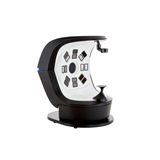
This guide gives you the full financial picture — what a skin rejuvenation machine costs to buy, what it costs to run, what it can realistically earn at different patient volumes, and how long it takes to pay for itself. Whether you are building a formal business case for approval or still deciding whether the investment makes sense for your clinic, the numbers here cover both scenarios. Compare skin rejuvenation machines on MedicalSearch once you have confirmed the utilisation level and treatment mix your clinic can realistically support.
Clinics where this financial model is most useful:
- Clinic owners or practice managers trying to decide whether skin rejuvenation is financially viable for their operation
- Aesthetic clinics preparing a capital expenditure approval for a new or replacement device
- GP or allied health clinics exploring whether adding aesthetic services justifies the capital commitment
- Medi-spas comparing lease vs buy options based on current or projected booking volume
- Any clinic that has received supplier revenue projections and wants to pressure-test the numbers independently
Step 1: Model Your Revenue at Realistic Utilisation
The first question to answer is what the machine can realistically earn at your current and projected patient volume — not at the peak utilisation a supplier might quote. Your business case should model three scenarios: conservative, moderate and target.
| Utilisation Scenario | Treatments / Week | Annual Revenue (at $350 avg session) |
|---|---|---|
| Conservative (ramp-up, months 1–6) | 5–8 | $91,000–$145,600 |
| Moderate (established, months 6–12) | 10–15 | $182,000–$273,000 |
| Target (steady state, year 2+) | 15–25 | $273,000–$455,000 |
Model your first 12 months at the conservative and moderate levels. Most clinics take 3–6 months to build a consistent skin rejuvenation booking pipeline, even with an existing patient base. Blended first-year revenue across the ramp-up curve typically lands at $120,000–$200,000 for a well-marketed clinic in metro Sydney, Melbourne or Brisbane.
Package pricing lifts average transaction value by 20–40%. Selling 4–6 session treatment packages at a modest discount (10–15%) locks in revenue upfront and increases per-patient value. A patient buying a 5-session skin tightening package at $1,500 is worth more than five individual $350 bookings because of reduced no-show risk and guaranteed rebooking.
Step 2: Evaluate the Key Cost Variables
With your revenue model set, these are the cost variables that determine your actual margin per treatment and overall ROI.
| Cost Variable | Typical Range | Impact on Margin |
|---|---|---|
| Consumable cost per treatment | $15–$80 | Largest variable cost — proprietary consumables at $60–$80/session cut gross margin by 15–20% |
| Handpiece replacement (annualised) | $3,000–$10,000/year | Depends on shot count and utilisation — high-volume clinics replace handpieces annually |
| Operator time per treatment | 20–60 minutes | At $50–$80/hour for a qualified operator, a 45-minute treatment carries $37–$60 in labour cost |
| Annual servicing | $2,000–$8,000 | Mandatory for laser devices — some suppliers bundle into purchase; others charge separately |
| Marketing cost (patient acquisition) | $3,000–$12,000/year | Digital marketing for skin treatments typically runs $30–$80 per new patient lead in metro Australia |
Step 3: Understand the Full Machine Cost (2026 Prices)
Purchase price is only part of the picture — the gap between quoted machine price and five-year total cost of ownership is where most clinic business cases go wrong.
| Category | Price Range (AUD) | Typical Configuration |
|---|---|---|
| Single-modality device | $15,000–$40,000 | IPL or LED, 1–2 handpieces, one treatment category |
| Mid-range multi-modality | $40,000–$120,000 | IPL + RF or RF microneedling, 3–4 handpieces |
| Premium multi-platform | $120,000–$250,000+ | 4–6 modalities, fractional laser capability, full skin type coverage |
| Used / pre-owned | $8,000–$80,000 | Verify remaining handpiece shot count, ARTG listing status and manufacturer support |
| Lease / rental | $800–$3,500/month | Suitable for revenue validation; typically 24–60 month terms with buyout option |
| 5-year TCO (mid-range device) | $120,000–$250,000 | Machine + consumables + handpieces + service + training over 5 years |
A $100,000 mid-range platform running 12 treatments per week at $350 average session fee with $40 consumable cost per treatment generates approximately $193,000 in gross revenue and $168,000 after consumables in year one. After accounting for $8,000 in servicing and handpiece costs plus $5,000 in marketing, first-year net contribution is approximately $155,000 — recovering the machine cost in under 8 months. At 6 treatments per week, the same calculation extends payback to 14–16 months. Request quotes from multiple suppliers on MedicalSearch to compare five-year TCO across brands and configurations.
Step 4: Depreciation and Asset Planning
Medical aesthetic devices carry an ATO effective life of 5–10 years depending on classification. The diminishing value depreciation rate is approximately 20–40%. The instant asset write-off threshold of $20,000 applies to eligible small businesses for assets below this limit. For devices above $20,000, standard depreciation schedules apply.
Residual value at 5 years is 10–20% for supported premium brands and near zero for discontinued models. Clinics with fewer than 8 bookings per week in the first 6 months should consider lease or hire-to-own to preserve cash flow. Operating leases keep the asset off the balance sheet and allow technology upgrades at lease end — relevant in a market where device technology cycles every 3–5 years.
Step 5: Evaluate Suppliers
You are ready to go to market. Use this checklist to assess each supplier against the same criteria.
| Factor | What to Ask |
|---|---|
| Total cost of ownership | What is the 5-year TCO including consumables, handpiece replacements and mandatory servicing? |
| Consumable lock-in | Are consumables proprietary, and what is the per-treatment cost at your expected utilisation? |
| Revenue modelling | Can the supplier provide a revenue model validated against comparable Australian clinics? |
| TGA ARTG listing | Is the device ARTG-listed for all treatment claims you plan to market? |
| Lease and finance options | What lease, rental or hire-to-own terms are available, and is there a buyout option? |
| Training and onboarding | Is comprehensive operator training included, and does it cover treatment protocols for all modalities? |
| Marketing support | Does the supplier provide patient-facing marketing materials, before/after images and social media assets? |
| Service response time | What is the guaranteed response time for breakdowns, and is a loaner device available during repairs? |
| Upgrade path | Can additional modalities or handpieces be added later, and at what cost? |
| Warranty and insurance | What does the warranty cover, and does the supplier require or offer extended warranty plans? |
Frequently Asked Questions
How much revenue can a skin rejuvenation machine realistically generate for a clinic?
It depends on how many treatments the clinic books per week. At moderate utilisation (10–15 treatments per week at $350 average session fee), annual revenue sits between $182,000 and $273,000. High-utilisation clinics running 20+ treatments per week regularly exceed $350,000 — but most clinics take 3–6 months to reach moderate levels after launching a new service.
What is the typical payback period for a mid-range device?
A $80,000–$120,000 multi-modality device at 10–12 treatments per week typically pays back in 8–14 months after consumables and running costs. Below 6 treatments per week, payback extends to 18–24 months.
How do consumable costs affect treatment margin?
Consumables are the largest variable cost per treatment. A device with $20/treatment consumable cost delivers a gross margin around 75–80%, while proprietary consumables at $60–$80 per treatment reduce gross margin to 55–65%.
When does leasing make more financial sense than buying?
Leasing is typically more prudent when the clinic cannot commit to 8+ treatments per week within the first 6 months, when the technology is likely to be superseded within 3–5 years, or when the practice is entering aesthetic services for the first time.
What is the five-year total cost of ownership for a mid-range device?
For a $100,000 platform running 12 treatments per week, expect $120,000–$250,000 over five years including the machine, consumables, handpiece replacements, annual servicing and training. The range depends heavily on consumable pricing and handpiece longevity.
Summary
- A skin rejuvenation machine can generate $180,000–$400,000+ in annual revenue — but actual return depends on utilisation, treatment mix and consumable cost structure
- Gross margin per treatment sits at 55–80% depending on consumable cost structure
- Payback on a mid-range device is 8–14 months at moderate utilisation; 18–24 months at low utilisation
- Five-year TCO is 1.2–2.5× the machine purchase price after consumables, handpieces and servicing
- Lease or rental ($800–$3,500/month) suits clinics validating patient demand before capital commitment
- Always model conservative, moderate and target utilisation scenarios before submitting a business case
Ready to Source Your Skin Rejuvenation Machine?
Don’t waste time contacting suppliers individually. MedicalSearch gives you direct access to verified Australian skin rejuvenation machine suppliers — compare models, specs and pricing in one place, then request quotes from suppliers best matched to your clinic.
- Compare models — filter by modality, configuration and region
- Request quotes — contact multiple verified suppliers with a single enquiry
- Contact suppliers directly — speak to specialists who service your state
→ Compare Skin Rejuvenation Machines on MedicalSearch Now →