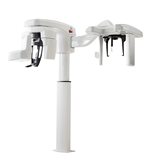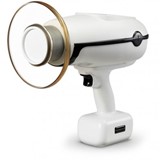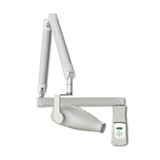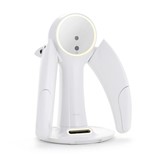

Key Takeaways
- Entry-level CBCT (small FOV, new): $35,000 - $55,000 AUD (2026) - suits single-implant planning, endodontics and general dentistry
- Mid-range CBCT (medium FOV, new): $60,000 - $85,000 AUD - multi-tooth diagnostics, orthodontics, TMJ analysis
- High-end CBCT (large FOV + AI, new): $85,000 - $120,000+ AUD - full cranial imaging, complex surgical planning, multi-specialty practices
- Revenue per CBCT scan: $150 - $350 per scan (private fee) - at 5-10 scans per week, annual revenue is $39,000 - $182,000
- Payback period: 12 - 24 months - faster for practices doing implants, ortho or surgery where CBCT changes treatment plans
- Room and compliance costs: $8,000 - $30,000 - shielding, ARPANSA compliance, state radiation licence, installation
- Annual running costs: $3,000 - $8,000 - servicing, calibration, radiation compliance testing, software updates
Introduction
Cone beam computed tomography (CBCT) gives dental practices 3D imaging of teeth, bone and surrounding structures in a single low-dose scan. In 2026, over 68% of Australian dental clinics offering advanced diagnostics use CBCT, and the technology has dropped to price points where a general practice doing 5+ implant cases per month can justify ownership on scan revenue alone. Practices still referring out for 3D imaging are paying $150-$350 per referral scan, losing the diagnostic control, and adding days to treatment timelines.
This price guide covers what CBCT machines cost to buy, install and run in Australia, and models the revenue per scan against realistic utilisation rates. Get quotes for 3D dental x-ray machines to compare and buy from verified Australian suppliers once you have confirmed your FOV requirement and budget. For a full overview of types and compliance, see the MedicalSearch CBCT buying guide.
Practices where CBCT ownership delivers the strongest return:
- Implant-focused practices placing 5+ implants per month where 3D planning is standard of care
- Orthodontic practices needing cephalometric and full-arch 3D imaging for treatment planning
- Oral surgery and endodontic practices diagnosing complex anatomy
- Multi-practitioner clinics where 2+ dentists share the machine across specialties
- Any practice currently spending $500+/month on external CBCT referral fees
Step 1: Choose Your FOV (Field of View) Category
Before comparing prices, confirm which field of view your clinical work requires. FOV determines what anatomy the machine can capture in a single scan, and it sets the price bracket.
| FOV Category | Typical FOV Size | Best For |
|---|---|---|
| Small FOV | 5x5 cm to 8x8 cm | Single-tooth endodontics, single-implant planning, periapical pathology |
| Medium FOV | 8x8 cm to 15x13 cm | Multi-tooth segments, partial arch, TMJ, orthodontic analysis |
| Large FOV | 15x13 cm to 23x17 cm | Full arch, orthognathic surgery, airway analysis, complex multi-implant cases |
Choose medium FOV if your practice does implants, orthodontics and general diagnostics. This is the most versatile category, covering multi-tooth segments, TMJ and partial arch imaging in a single scan. It is the standard for Australian general and specialist practices doing a mix of work.
Choose small FOV if your primary use is endodontics or single-implant planning. Smaller FOV delivers higher resolution images at a lower radiation dose and machine cost, but limits imaging to a single tooth or small region.
Step 2: Evaluate the Key Specifications
With your FOV category confirmed, these are the specs that determine image quality, workflow and integration with your practice.
| Specification | Typical Range | Buyer Consideration |
|---|---|---|
| Voxel size | 75 - 400 micron | Smaller voxel = higher resolution; 75-150 micron needed for endodontic detail; 200-300 suits implant planning |
| Scan time | 5 - 30 seconds | Shorter scan reduces patient motion artefact; under 15 seconds preferred for paediatric and anxious patients |
| 2D panoramic mode | Included on most mid-range and above | Combo units (OPG + CBCT) eliminate the need for a separate panoramic machine |
| Software integration | DICOM, implant planning, third-party compatible | Confirm compatibility with your practice management system and implant planning software |
| Footprint | 1.0 x 1.0 m to 1.5 x 1.5 m | Minimum room size is typically 3 x 3 m including shielding and patient access |
| Radiation dose | 20 - 200+ microSv per scan | Lower dose protocols are available on most modern units; dose should be justifiable per ALARA principles |
Step 3: Understand the Full Cost Breakdown (2026 Prices)
Purchase price is only part of the picture. Room fitout, radiation licensing and ongoing compliance add $8,000-$30,000 to the total project cost.
| Category | Price Range (AUD) | Notes |
|---|---|---|
| Entry CBCT (small FOV) | $35,000 - $55,000 | 5x5 to 8x8 cm; endodontics, single implant; often CBCT-only (no OPG) |
| Mid-range CBCT (medium FOV) | $60,000 - $85,000 | 8x8 to 15x13 cm; most include 2D panoramic mode; multi-specialty use |
| High-end CBCT (large FOV + AI) | $85,000 - $120,000+ | Full cranial FOV; AI-assisted diagnostics; cephalometric module |
| Room shielding and fitout | $5,000 - $20,000 | Lead lining, door, signage; depends on room size and adjacencies |
| Radiation licence (practice + operator) | $300 - $1,500/year | State radiation authority licence required before first scan; varies by state |
| Installation and commissioning | $2,000 - $8,000 | Delivery, setup, calibration, software configuration, operator training |
| Annual servicing and compliance | $3,000 - $8,000 | Annual radiation testing, equipment calibration, software updates |
| Used / refurbished | $15,000 - $60,000 | Verify tube condition, sensor age, software version and manufacturer support status |
A mid-range $70,000 CBCT with $15,000 room fitout and $5,000/year running costs totals $90,000 in year one. At 8 scans per week billed at $250 each, the machine generates $104,000 in annual scan revenue. Payback on the full investment is under 12 months. Even at 5 scans per week ($65,000/year revenue), payback sits at 18 months. Practices doing under 3 scans per week should model the numbers carefully or consider the refer-out comparison before committing. Get quotes for CBCT machines to compare and buy from verified Australian suppliers to match system pricing to your scan volume projection.
Step 4: Depreciation and Asset Planning
Dental CBCT machines carry an ATO effective life of 10 years, giving a diminishing value depreciation rate of 20%. Room fitout and shielding costs are typically depreciable as building improvements or a separate asset depending on ownership. Machines above the $20,000 instant asset write-off threshold are depreciated over the effective life. Equipment finance or chattel mortgage at $1,500-$3,500/month over 5 years is the most common funding method for Australian dental practices.
Residual value at 7-10 years is 10-20% for supported brands (Vatech, Planmeca, Carestream, Owandy) and near zero for discontinued models. Technology cycles every 5-7 years in CBCT, so practices investing now should plan for a mid-life software upgrade or sensor refresh.
Step 5: Evaluate Suppliers
You are ready to go to market. Use this checklist to assess each supplier against the same criteria.
| Factor | What to Ask |
|---|---|
| FOV options | What FOV sizes are available on this platform, and can you upgrade FOV later? |
| Image quality demonstration | Can the supplier demonstrate image quality on a dental phantom or provide clinical sample images? |
| 2D / OPG combo | Does the machine include 2D panoramic mode, or is it CBCT-only? |
| Software compatibility | Is the system DICOM-compatible and proven to integrate with your practice and implant planning software? |
| Room fitout support | Does the supplier coordinate room shielding design, radiation safety assessment and fitout? |
| Radiation licence support | Does the supplier assist with state radiation licence applications and compliance documentation? |
| Training | Is clinical and operational training included, covering scan protocols, dose optimisation and software? |
| Service and warranty | What is the warranty period on the tube, sensor and software? Is local service available in your state? |
| Software updates | Are software and firmware updates included or charged separately? |
| Finance options | Does the supplier offer equipment finance, chattel mortgage or lease arrangements? |
Frequently Asked Questions
How much does a CBCT dental x-ray machine cost in Australia in 2026?
Entry-level small FOV models start from $35,000, mid-range medium FOV from $60,000-$85,000, and high-end large FOV with AI from $85,000-$120,000+. Room fitout and licensing add $8,000-$30,000 on top.
How much revenue can a CBCT scanner generate per year?
At 5-10 scans per week billed at $150-$350 each, annual scan revenue is $39,000-$182,000. Practices doing implant planning, orthodontics or surgical assessment generate the highest per-scan fees and volumes.
What radiation licensing is required for a dental CBCT in Australia?
Each state requires a radiation premises licence and individual operator use licences. Applications are processed through state radiation authorities (e.g. NSW EPA, QLD Health, VIC DHHS). Annual radiation compliance testing is mandatory.
Does a CBCT machine replace an OPG?
Most mid-range and high-end CBCT units include a 2D panoramic (OPG) mode, effectively combining both machines into one. Entry-level small FOV units are often CBCT-only and do not replace a separate OPG machine.
How long does a dental CBCT machine last?
The hardware typically lasts 10-15 years with regular servicing. The x-ray tube and sensor are the primary components that may need replacement at 7-10 years, costing $8,000-$20,000 depending on the model.
Summary
- CBCT machines range from $35,000 (small FOV) to $120,000+ (large FOV with AI) in 2026 AUD
- Room fitout and radiation compliance add $8,000-$30,000 to the total project cost
- Revenue per scan is $150-$350; at 5-10 scans/week, annual revenue is $39,000-$182,000
- Payback is 12-24 months at moderate utilisation; under 12 months for high-volume implant practices
- Mid-range combo units (CBCT + OPG) at $60,000-$85,000 are the most popular choice for Australian practices
- State radiation licences are mandatory; annual compliance testing and servicing costs $3,000-$8,000/year
Ready to Source Your 3D Dental X-Ray Machine?
Don't waste time contacting suppliers individually. MedicalSearch gives you direct access to verified Australian CBCT suppliers - compare models, specs and pricing in one place, then request quotes from suppliers best matched to your practice.
- Compare models - filter by FOV, features and region
- Request quotes - contact multiple verified suppliers with a single enquiry
- Contact suppliers directly - speak to specialists who service your state
→ Get and compare 3D dental x-ray machine quotes now →