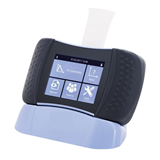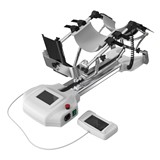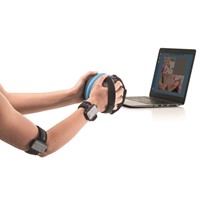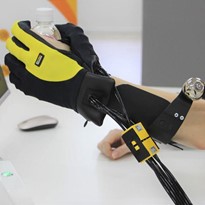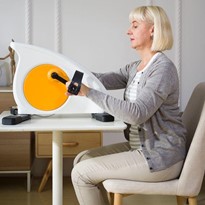


The narrative of stroke is shifting from “permanent loss” to “active recovery.” With the integration of sensor-based technologies, we are entering an era of precision rehabilitation where every movement is measured, and every recovery plan is personalized.
Why Technology is the Catalyst for Neuroplasticity
The brain requires two things to rewire: Intensity and Salience (relevance).
- Intensity: Sensor-based systems allow patients to perform 5x to 10x more repetitions per session than traditional manual therapy.
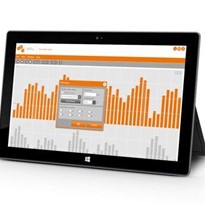
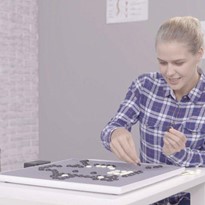
- Salience: By using gamified interfaces, therapy becomes a rewarding challenge. This triggers dopamine release, which is a known chemical catalyst for neural remodelling and learning [5].
- Levin, M. F., et al. (2025). “Motor learning in neurological rehabilitation.” Clinical Rehabilitation.
- A New Standard of Care
The journey following a CVA is challenging, but survivors no longer have to navigate it in the dark. By utilizing objective assessments and motion-tracking technology, we can provide a roadmap of recovery that is visible, measurable, and highly effective.?