How to use this page
How this page helps you choose the right intraoperative ultrasound system
Choosing the right intraoperative ultrasound system comes down to a handful of decisions. Here we walk you through the ones that matter most to help you make a choice that meets your needs and your budget, without any expensive surprises after delivery. When you're ready, use our popular Get Quotes option to connect with verified Australian suppliers so you can compare quotes and buy with confidence.
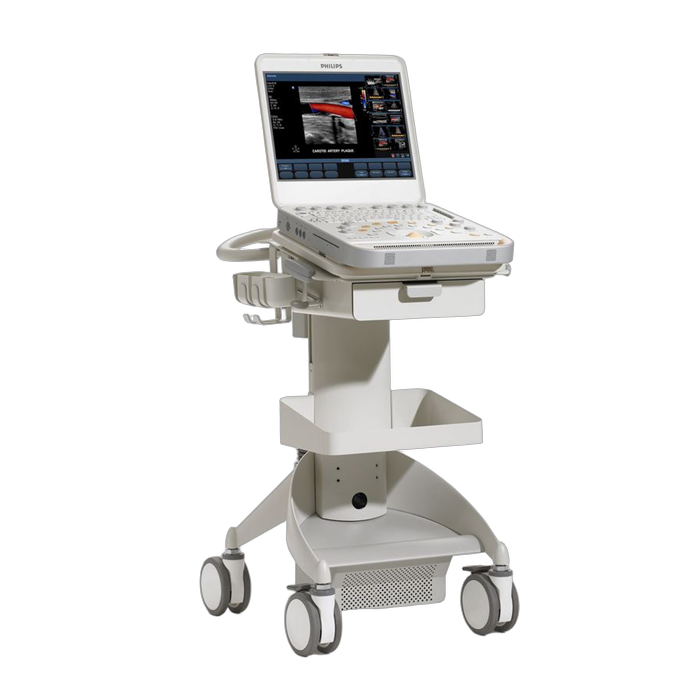
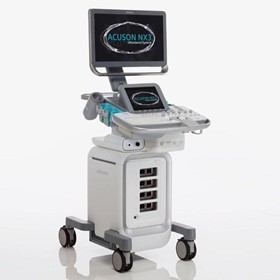
Common setups
Three common intraoperative ultrasound system setups
Cost breakdown
What an intraoperative ultrasound system costs
What you pay depends most on whether you are adding an intraoperative probe to a system you already run, buying a refurbished surgical platform, or specifying a new dedicated system. A single probe is the smallest spend and a new console-and-probe platform the largest. The prices below are indicative and benchmark-derived, before GST, so treat them as a planning range rather than a quote.
| Purchase route | Indicative price AUD, before GST, benchmark-derived | What changes the price |
|---|---|---|
| Intraoperative probe (added to a compatible system) | $15,000 - $45,000 | Probe type, frequency, contrast capability, connector match |
| Refurbished surgical ultrasound system | $25,000 - $70,000 | Age, hours, included probes, remaining warranty |
| New dedicated platform (console and probe) | $70,000 - $180,000+ | Console tier, probe count, contrast and Doppler, service contract |
| Additional probes | $15,000 - $45,000 each | Articulating laparoscopic probes cost more than open probes |
System or probe
Dedicated intraoperative ultrasound system or probes for your existing platform
This is the decision that shapes every quote. You either buy a dedicated surgical system, or add an intraoperative ultrasound probe to a console you already run. Settle which route you are on before you compare anything else.
Reprocessing
How the intraoperative ultrasound probe is cleaned between cases
A probe used in surgery has to be sterile or covered for each case, and how you achieve that changes both your workflow and your per-case cost. You either run a sterile cover over a standard probe, or reprocess a probe validated for disinfection or sterilisation. Settle this with your sterilising department before you choose a probe.
New vs used
Used and refurbished intraoperative ultrasound systems
A well-kept used or refurbished intraoperative ultrasound system can deliver most of the value of a new one for less. In medical capital equipment the wear that matters is the probe condition and the remaining service support, not just the system's age or hours.
Ownership costs
What an intraoperative ultrasound system costs to run and own
Purchase price is only part of what you spend over the life of the system. The rest is the service contract, probe replacement, and per-case consumables. The probe is the wear item, not the console, which is why probe choice drives the running cost.
| Cost area | What to expect | What changes the cost |
|---|---|---|
| Service or warranty contract | $5,000 - $20,000 per year | Console tier, probe count, response time |
| Probe replacement (wear item) | $15,000 - $45,000 per probe | Articulating probes cost most; handling and usage |
| Reprocessing per case | Cover cost or staff time | Sheath route versus sterilizable probe; case volume |
| Capability upgrades | Varies by platform | Adding contrast (CE-IOUS) or measurement packages |
Decide before you quote
What to decide before you request intraoperative ultrasound quotes
Get these requirements clear upfront and suppliers can provide accurate intraoperative ultrasound system quotes the first time, rather than making assumptions.
| 1 | System or probe: whether you need a dedicated surgical system or an intraoperative probe for a console you already run. If a probe, give the make, model, and software version. |
| 2 | Surgical application: the procedures the system supports, whether neuro, hepatobiliary, laparoscopic, or vascular, which sets the probe shapes and frequencies. |
| 3 | Probe set: which probes you need now and which can come later. Articulating laparoscopic probes cost the most, so price them separately. |
| 4 | Reprocessing method: sterile covers or a sterilizable probe, matched to what your sterilising department can run. |
| 5 | Budget basis: whether you are comparing on purchase price or monthly finance, so suppliers quote the structure that fits your budget cycle. |
Finance options
Finance options for your intraoperative ultrasound system
A dedicated intraoperative ultrasound system is a large upfront cost, and probes add to it. To spread that into a monthly repayment, many buyers look at equipment finance alongside the quote comparison. What finance looks like for your business comes down to the answers below.
| Finance question | What it helps you decide | Why it matters |
|---|---|---|
| What could the monthly repayment be? | Whether the machine fits your monthly cash flow before committing to a quote. | Most intraoperative ultrasound systems sit in a price range where the monthly repayment is easier to weigh against throughput than the upfront cost alone. |
| Am I likely to get approved? | Whether your business, trading history, and the machine's value are financeable. | MedicalSearch finance works across a panel of lenders, which can improve the chance of finding a suitable approval pathway. |
| Which finance structure suits the purchase? | Whether to compare options such as chattel mortgage, lease, rental, or low-deposit finance. | The right structure can affect ownership, monthly cost, cash flow, and how quickly you can move ahead. |
Finance calculator
Estimate my repayment
Adjust the sliders to estimate your intraoperative ultrasound system repayments. Speak with our team for an exact quote based on your profile.
Compare quotes and finance options for intraoperative ultrasound systems.
Need finance before choosing an intraoperative ultrasound system?
Check indicative intraoperative ultrasound system finance options in under a minute, with no obligation.
Common questions
Intraoperative ultrasound questions buyers commonly ask
Quick answers to the most-searched questions about intraoperative ultrasound systems and how MedicalSearch works.
Why use MedicalSearch to buy an intraoperative ultrasound system?
MedicalSearch helps you compare multiple reputable Australian suppliers with a single enquiry, saving you time and effort. Instead of contacting suppliers individually, you can compare suitable devices, technology, compliance requirements, service support, and ongoing consumables in one place. This helps you find the right system for your treatments while avoiding costly mistakes and making a more informed purchasing decision.
How much does an intraoperative ultrasound system cost?
As an indicative, benchmark-derived guide before GST: an intraoperative probe added to a compatible system runs $15,000 to $45,000, a refurbished surgical ultrasound system $25,000 to $70,000, and a new dedicated platform with console and probe $70,000 to $180,000+. Additional probes cost $15,000 to $45,000 each. The probe set and contrast capability change the price as much as the console.
Is it worth buying a used intraoperative ultrasound system?
It can be, if the probes check out and the model is still supported. A refurbished system or used probe often sits well below new. The real risk is the probe, not the console, since the probe is the wear item. Ask for probe test results covering cable, lens, and element integrity, a service history, and written confirmation that parts and service are still available for the model.
What is the difference between an intraoperative ultrasound system and a standard ultrasound machine?
An intraoperative ultrasound system uses high-frequency probes placed directly on the organ during surgery, with probe shapes built for the operating field, such as T-shaped, side-fire, and flexible-tip laparoscopic probes. Because the probe touches tissue directly, it can run at higher frequencies than a standard external probe, giving sharper near-field detail. The system is also designed around sterile workflow, with probe covers or reprocessing built into the way it is used.
Do I need a dedicated system, or can I add a probe to my existing ultrasound?
Either can work. If your existing console supports an intraoperative probe, adding one is the lower-cost route, but the probe has to match your vendor, connector, and software version, and your imaging is limited by that console. A dedicated surgical system costs more and is built around the operating room, with full B-mode, Doppler, and contrast on a console matched to surgical probes. Confirm compatibility before you choose the probe route.
What probe do I need for my surgery?
It depends on the procedure and the access. Neurosurgery and spine work tends to use small linear or end-fire probes at 7 to 15 MHz for burr holes and small incisions. For intraoperative liver ultrasound and open pancreas or biliary surgery, T-shaped or side-fire probes at 5 to 10 MHz suit best. Laparoscopic work needs a flexible-tip probe on a long shaft that passes through a trocar. Tell each supplier your main procedures so they quote the right probe set.
How are intraoperative ultrasound probes cleaned between cases?
Two ways. You either run a sterile single-use cover over a standard probe, which adds a per-case consumable cost, or you reprocess a probe that is validated for high-level disinfection or sterilisation. If you go the reprocessing route, confirm the probe is approved for the method your sterilising department runs, and remember that reprocessing time can limit how many cases you fit in a day. Match the method to your department before you choose the probe.
Does an intraoperative ultrasound system need to be on the ARTG?
Yes. An intraoperative ultrasound system is a medical device, and unless exempt, medical devices must be included in the Australian Register of Therapeutic Goods (ARTG) to be legally supplied in Australia. Ask the supplier for the ARTG inclusion, and on a used or refurbished system confirm the model and probes are still covered. This is worth checking before you commit, whatever route you take.
How long does finance pre-approval take?
Equipment finance pre-approval is usually quick, often within 1-2 business days once you provide basic practice and financial details. Pre-approval lets you compare quotes knowing your monthly cost and borrowing capacity, without committing to a purchase.
What do I need to apply for equipment finance?
For most equipment finance under a set threshold, lenders ask for limited paperwork: your practice ABN and trading history, recent bank statements, and details of the system being financed. Larger amounts can need business financials or tax returns. MedicalSearch finance works across a panel of lenders, so the exact requirements vary by amount and lender.
Why MedicalSearch
Why buyers choose MedicalSearch
Helping Australian healthcare buyers compare suppliers since 2011.