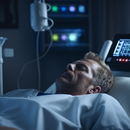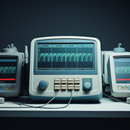
What are the different types of ECG machines available in Australia?
An ECG machine is a medical device that records the electrical activity of the heart. In Australia, there are different types of ECG machines available, including:
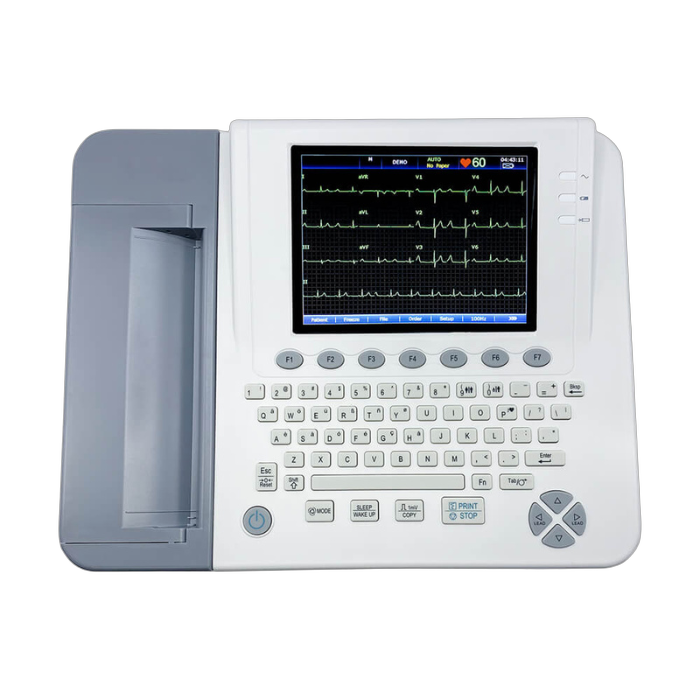
12-lead ECG machine: This is the most common type of ECG machine used in hospitals and clinics. It records the electrical activity of the heart from 12 different angles.
Holter monitor: This is a portable ECG machine that records the heart's electrical activity over a period of 24-48 hours, allowing doctors to diagnose irregular heartbeats and other heart problems.
Event monitor: This is a portable ECG machine that records the heart's electrical activity for a short period of time, usually up to 30 days. It is used to diagnose intermittent heart problems.
Stress test ECG machine: This machine records the heart's electrical activity while the patient exercises, allowing doctors to diagnose heart problems that only occur during physical activity.
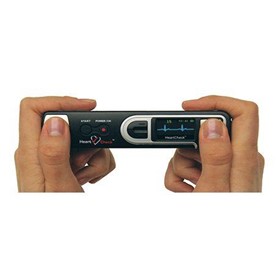
Wireless ECG machine: This is a portable ECG machine that can transmit data wirelessly to a computer or mobile device for remote monitoring.
Overall, the type of ECG machine used depends on the patient's condition and the type of heart problem being diagnosed.
What should I consider before purchasing an ECG machine?
An ECG machine is an important medical device that helps in diagnosing heart conditions. When considering purchasing an ECG machine, there are several factors to consider, including:
Purpose: Determine the intended use of the ECG machine. Will it be for routine checkups, emergency situations, or specialized cardiac care?
Type of ECG machine: There are various types of ECG machines available, such as portable, handheld, and desktop models. Choose the one that fits your needs and budget.
Features: Look for features such as the number of leads, recording speed, display size, and connectivity options.
Compatibility: Ensure that the ECG machine is compatible with the software and other equipment used in your facility.
Quality: Choose a reliable and durable ECG machine from a reputable manufacturer that provides good after-sales support.
Cost: Consider the cost of the ECG machine, including maintenance, supplies, and training.
Certification: Ensure that the ECG machine is certified by the relevant regulatory bodies and meets the required standards.
User-friendliness: Consider the ease of use and training requirements for the ECG machine, especially for non-specialists.
Warranty: Look for an ECG machine with a warranty that covers repairs and replacements in case of defects or malfunctions.
Reviews: Check reviews and feedback from other users to get a better idea of the ECG machine's performance and reliability.
How much does an ECG machine cost in Australia?
Costs in Australia vary depending on the type and features of the machine. Basic ECG machines can cost around $1,000 to $2,000, while more advanced models with additional features like wireless connectivity and interpretation software can cost up to $20,000 or more. Additionally, the cost of consumables such as electrodes and paper may also add up over time. It's best to consult with a medical equipment supplier to determine the specific costs and requirements for your needs.
What are the features I should look for in an ECG machine?
An electrocardiogram (ECG) machine is an important tool used in healthcare to monitor and diagnose heart conditions. When purchasing an ECG machine, there are several features to consider:
Portability: Some ECG machines are portable and lightweight, making them easy to transport and use in different settings.
Number of leads: The number of leads determines the accuracy of the ECG machine. A 12-lead ECG machine is the most common and provides a comprehensive view of the heart's electrical activity.
Display: A high-resolution display allows for clear and easy viewing of the ECG readings.
Interpretation software: Some ECG machines come with built-in interpretation software that analyzes the readings and provides a diagnostic report.
Connectivity: ECG machines with wireless connectivity allow for easy transfer of data to electronic medical records or other devices.
Battery life: A long battery life is important for portable ECG machines, so they can be used for an extended period without needing to be recharged.
User-friendly interface: An intuitive and easy-to-use interface makes operating the ECG machine simple and efficient.
Durability: A durable ECG machine is essential for frequent use and longevity.
Warranty and support: Look for an ECG machine that comes with a warranty and reliable customer support for any technical issues or questions.
What kind of training and support is available for using an ECG machine in Australia?
Training and support in Australia is widely available through various channels. Firstly, manufacturers of ECG machines often provide training and support services to their customers. This can include onsite training, online training resources, and technical support.
Secondly, healthcare institutions such as hospitals and clinics often offer training and support for ECG machine use to their staff. This can include formal training programs, ongoing education and support, and access to technical assistance.
Thirdly, there are independent training providers in Australia that offer ECG machine training and support services. These providers may offer courses and workshops on ECG machine use, as well as ongoing support and technical assistance.
Overall, there are numerous options available for individuals and healthcare institutions seeking training and support for ECG machine use in Australia. It is important to select a provider that offers comprehensive training and ongoing support to ensure the safe and effective use of these machines.
How do I ensure that the ECG machine complies with Australian standards and regulations?
To ensure that the ECG machine complies with Australian standards and regulations, you should:
Check if the device is registered with the Therapeutic Goods Administration (TGA) in Australia. The TGA is responsible for regulating therapeutic goods, including medical devices such as ECG machines.
Verify if the device meets the Australian and New Zealand Safety Standards (AS/NZS) for medical electrical equipment. The AS/NZS standards specify the safety requirements for medical electrical equipment, including ECG machines.
Ensure that the device has been tested and certified by an accredited third-party testing organization, such as the National Association of Testing Authorities (NATA) in Australia.
Check if the device has been approved by the Australian Medical Association (AMA) or other relevant medical associations in Australia.
Verify if the device has been approved by the healthcare facility's accreditation body, such as the Australian Council on Healthcare Standards (ACHS).
By following these steps, you can ensure that the ECG machine complies with Australian standards and regulations and is safe to use in a healthcare setting.
What is the warranty and after-sales service provided by the manufacturer?
However, generally speaking, most manufacturers offer a warranty period for their products, which can range from one to three years. The warranty typically covers any defects in materials or workmanship that may arise during the warranty period.
In terms of after-sales service, most manufacturers offer technical support and repair services for their products. This may include phone or email support, on-site repair services, or the option to send the product back to the manufacturer for repairs. Some manufacturers may also offer training and education programs for their customers on how to use and maintain their ECG machines.
It is important to check the specific warranty and after-sales service terms offered by the manufacturer of the ECG machine you are interested in purchasing before making a final decision.
Can I get a demo or trial of the ECG machine before purchasing it?
Some manufacturers or suppliers may offer a demo or trial period for their machines, while others may not. You can contact the manufacturer or supplier directly to inquire about any available demo or trial options. Additionally, some medical equipment companies may offer rental options for ECG machines, allowing you to try it out before committing to a purchase.
How do I choose the right ECG machine for my specific needs and budget?
Choosing the right ECG machine for your specific needs and budget can be a daunting task. However, there are several factors that you should consider before making a purchase:
Purpose: Determine the reason for purchasing the ECG machine. If it will be used for routine check-ups, a basic model will suffice. However, if it will be used for diagnosing heart disease, a more advanced model with more features may be necessary.
Budget: Determine how much you are willing to spend on the machine. ECG machines can range from a few hundred to several thousand dollars.
Features: Consider the features that are important for your practice. Some features to consider include: portability, battery life, data storage, printing capabilities, and analysis software.
Brand: Research different brands and their reputation in the market. Look for reviews and ratings from other users.
Support: Consider the level of support offered by the manufacturer, including warranties, training, and technical support.
Overall, choosing the right ECG machine requires careful consideration of your specific needs and budget. It is important to do your research and choose a reputable brand with good support to ensure that you are making a wise investment in your practice.