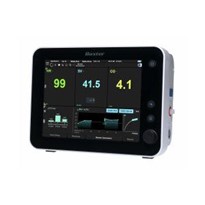


What is the APS Telehealth Monitoring Kit?
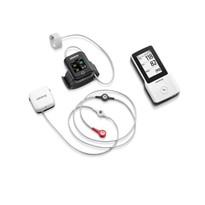
The APS Telehealth Monitoring Kit is a complete, integration-ready system designed to enable remote monitoring and control of patient devices within modern telehealth environments.
At its core, the system combines clinical-grade patient monitoring hardware with platform-level integration capability, allowing seamless interaction between medical devices and third-party telehealth applications.
The system includes:
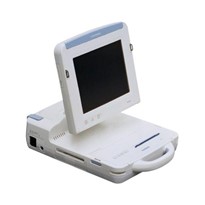
- Patient Monitors (XH-30 / XH-60 series) capable of measuring key vital parameters such as SpO2, pulse rate, temperature, and non-invasive blood pressure (NIBP)
- Continuous data acquisition capability, enabling real-time streaming and storage of patient vitals
- Remote device interaction, allowing commands such as triggering measurements or managing device operation
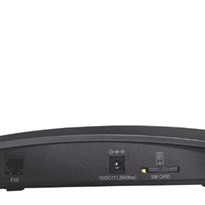
- Optional remote power control module, enabling devices to be turned ON/OFF through the client platform
The kit is designed to operate in home environments, clinical settings, and hybrid care models, making it suitable for both small-scale pilots and large telehealth deployments.
Importantly, the APS system is not limited to a standalone workflow. It is built to integrate into existing telehealth platforms, allowing software providers to incorporate APS hardware into their applications without requiring separate device management systems.
Benefits of APS Telehealth Monitoring Kit
Remote Patient Monitoring
Enables continuous and real-time monitoring of vital parameters, allowing clinicians to track patient condition without requiring physical presence. This improves responsiveness and supports proactive care.
Remote Device Control
The system supports remote interaction with devices, including triggering measurements and managing operational states. This enables more efficient workflows and reduces dependency on patient-side intervention.
Remote Power Management
With the optional power control module, devices can be turned ON or OFF remotely via the platform. This is particularly useful for:
- unattended home deployments
- device resets or recovery
- managing large fleets of devices
Seamless Platform Integration
Designed to integrate with third-party telehealth platforms, enabling a unified user experience. Clinicians can monitor and control devices directly from their existing application without switching between systems.
Scalable Deployment
Supports deployment across multiple patients and locations, making it suitable for both pilot programs and large-scale telehealth rollouts.
Reduced Operational Overhead
Minimises the need for on-site technical support by enabling remote diagnostics, control, and device management, leading to lower operational costs.
EMR Compatibility
Supports HL7-based integration, allowing patient data to be incorporated into existing Electronic Medical Record (EMR) systems through standard middleware solutions.
Applications
Supports remote monitoring of patients in home environments, enabling clinicians to track vital signs without requiring hospital visits.
Typical use cases:
- chronic disease management
- post-discharge monitoring
- remote care programs
Aged Care & Assisted Living
Enables continuous monitoring of residents in aged care facilities, improving response times and reducing manual observation requirements.
Benefits include:
- centralised monitoring
- reduced staff workload
- improved patient safety
Telehealth & Virtual Care Platforms
Designed for integration with telehealth software providers, allowing medical devices to be embedded into digital care workflows.
This is particularly suitable for:
- telehealth platforms
- remote consultation services
- digital health startups
Hospital Step-Down & Recovery Units
Supports monitoring of patients transitioning out of intensive care or requiring lower levels of supervision.
Helps:
- optimise bed utilisation
- maintain continuous observation
- reduce staff dependency
Clinical Trials & Remote Diagnostics
Enables decentralised clinical trials by allowing patient data to be collected remotely and securely.
Applications include:
- remote patient monitoring studies
- data collection for research
- distributed clinical trials
Multi-Site Healthcare Networks
Suitable for organisations managing multiple locations, allowing centralised monitoring and control across sites.
Examples:
- healthcare groups
- telehealth service providers
- regional care networks
Feature | Description |
|---|---|
Vital Sign Monitoring | SpO2, heart rate, temperature, blood pressure,ECG |
Continuous Data Acquisition | Real-time monitoring and data logging |
Remote Control Capability | Device operation and measurement control of device paramters. |
Remote Power Management | Optional ON/OFF control via platform |
Platform Integration | Compatible with third-party telehealth systems |
EMR Compatibility | Supports HL7-based integration via middleware |
Deployment Flexibility | Suitable for home, clinical, and hybrid environments |








-205x205.jpg)