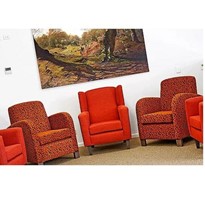


Hospitals and aged care providers rely on safe, reliable equipment every minute of the day. The right equipment partner can make it easier to manage risk, meet compliance requirements and support staff, while the wrong one can add cost and complexity.
Here are five practical questions to guide your next equipment partnership review.
1. Can they support your full care environment, not just individual items?
Look for partners who understand how products work together in real clinical environments.
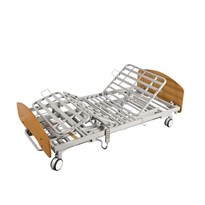
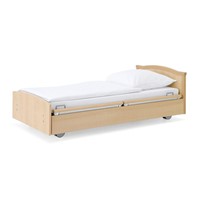
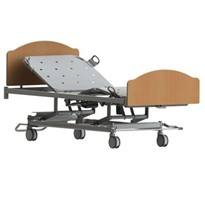
- Do they supply a broad range of hospital and aged care equipment, from beds and seating to manual handling and pressure care?
- Can they help you standardise product families across wards or facilities?
- Are they able to advise on room layouts and equipment mixes that support safer manual handling and falls prevention?
A partner who sees the whole system can help you make better long-term decisions, not just one-off purchases.
2. Do they offer clinical expertise and education?
Products alone don’t reduce risk – people and processes do.
- Is there access to clinical or technical specialists who understand your setting?
- Can they support in servicing, manual handling training and product competency sessions?
- Do they provide up-to-date education on new equipment and best practice?
Ongoing training helps you get the most out of your equipment and supports staff confidence.
3. How strong is their service and maintenance capability?
Downtime impacts patient flow, staff workload and budgets.
- Do they offer preventative maintenance programs tailored to your asset register?
- Are repairs managed by trained technicians using appropriate parts and processes?
- Can they provide clear service histories and compliance documentation for audits?
A robust service model helps you manage risk and extend the life of your equipment.
4. Can they scale with you across locations?
Many providers now operate across multiple sites and regions.
- Do they have national or multi site coverage that aligns with your footprint?
- Can they support standardisation projects across multiple facilities?
- Is their logistics network set up to handle both day to day replenishment and major projects?
Consistency across sites reduces variation in practice and simplifies training, maintenance and procurement.
5. Are they a partner in innovation and continuous improvement?
Healthcare environments are changing fast – your equipment strategy needs to keep up.
- Do they share insights on emerging products and solutions relevant to your services?
- Can they help you review incident data, manual handling trends or asset performance to guide future purchasing?
- Are they open to pilot programs and trials so your teams can test new solutions in real clinical settings?
The best partners are proactive – they help you anticipate challenges, not just react to them.
Bringing it together
Choosing an equipment partner is about more than price. It’s about finding a team who understands your clinical goals, supports your staff and helps you manage risk across the lifecycle of your equipment.
At Aidacare, our focus is on being that trusted advisor – working with hospitals and aged care providers to enable mobility and dignity through quality equipment, expert support and long-term partnerships.




-160x160-state_article-rel-cat.png)